


Table of Contents
Introduction: The Hidden Force Powering Every Building
When you enter a beautifully designed skyscraper, a hospital buzzing with technology, or a modern corporate office, you probably notice the architecture, lighting, and interior design. But what you don’t see — and rarely think about — are the mechanical systems that make these buildings actually work.
Behind every comfortable, safe, and efficient structure are Mechanical Contractors — the specialists who design, install, and maintain HVAC, plumbing, and fire-protection systems.
They are the unsung heroes of the built environment. Without their precision and expertise, even the most breathtaking buildings would fail to function properly. This article explores five powerful reasons why mechanical contractors deserve far more recognition than they receive, plus a look at how they’re shaping the future of smart buildings..
1. Mechanical Contractors Create Comfortable and Livable Spaces
The first thing that makes a building truly functional is comfort. No matter how striking a structure may look, it’s useless if it’s too hot, too cold, or has poor air quality.
That’s where Mechanical Contractors come in.
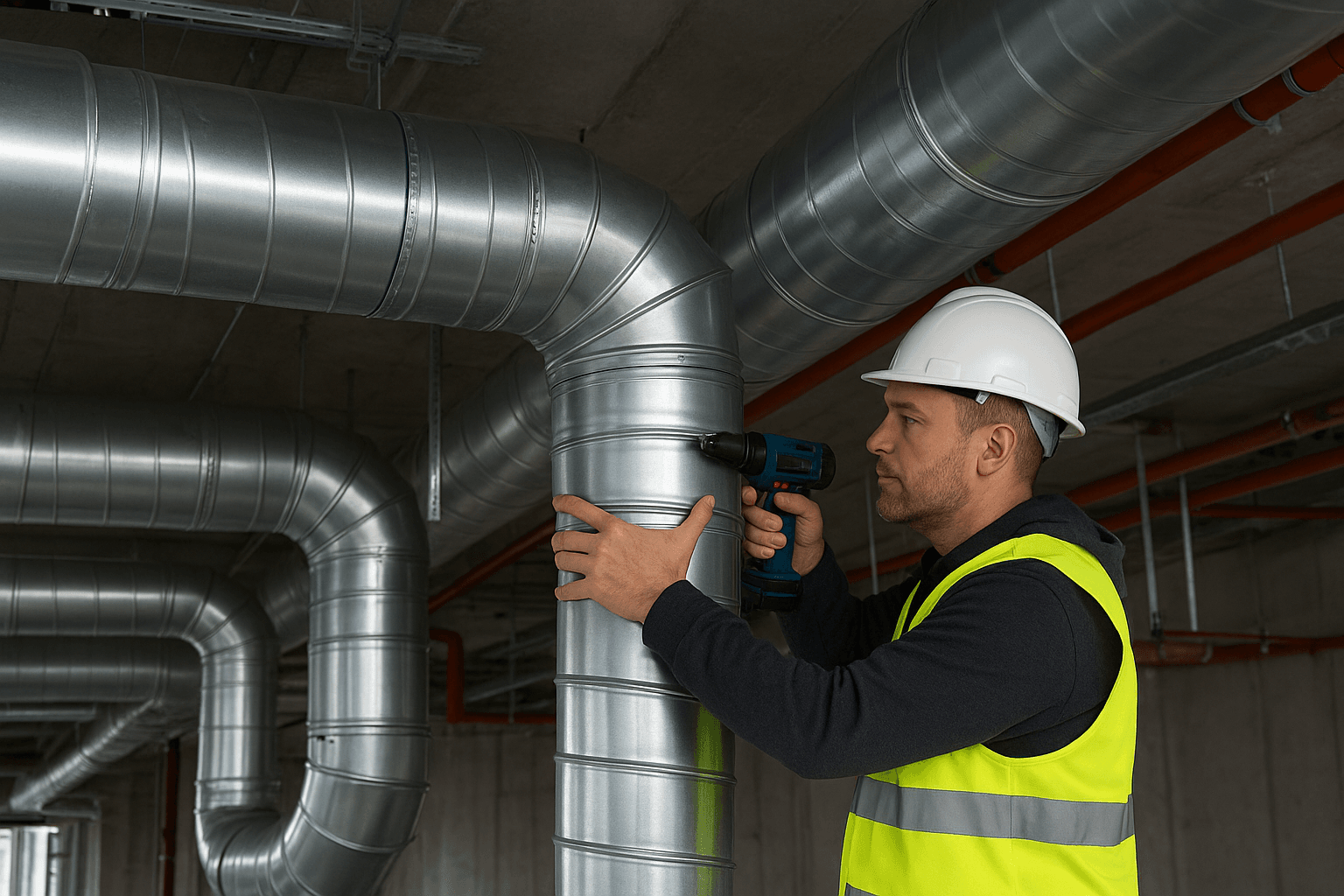
These professionals design and install HVAC (Heating, Ventilation, and Air Conditioning) systems that maintain ideal temperatures and proper airflow. They ensure the air you breathe indoors is fresh, clean, and balanced in humidity.
They calculate airflows, choose appropriate ductwork sizes, and position vents strategically to achieve consistent comfort in every corner of the building. In modern architecture, this process is known as environmental conditioning — turning cold structures into livable environments.
💡 Did you know? Studies by the U.S. Department of Energy show that well-optimized mechanical systems can improve employee productivity by up to 10% and reduce absenteeism due to poor air quality.
But comfort isn’t just about temperature. It’s also about acoustics, air purity, and ventilation balance, all of which are carefully engineered by mechanical professionals. Their role ensures that hospitals remain sterile, offices stay quiet and efficient, and residential spaces feel relaxing and welcoming.
2. They Drive Energy Efficiency and Sustainability
In today’s construction industry, energy efficiency is not just a buzzword — it’s a necessity.
Buildings account for almost 40% of global energy use, and mechanical systems play a major role in that consumption.
Mechanical Contractors are at the forefront of reducing this environmental impact. They integrate smart control systems, variable refrigerant flow (VRF) technology, and energy recovery ventilators to optimize performance while minimizing waste.
They collaborate closely with architects and sustainability consultants to achieve LEED (Leadership in Energy and Environmental Design) certification, helping developers meet strict green-building standards.
Their work also supports long-term cost savings. A building designed with efficient mechanical systems can cut operational expenses by up to 30% annually, while reducing carbon emissions significantly.
🌱 External Resource: Visit ASHRAE.org for global standards and sustainable HVAC design guidelines.
By embracing renewable energy technologies such as geothermal heating and solar-assisted cooling, mechanical contractors are redefining the future of eco-friendly construction.
3. They Keep Essential Systems Operating Seamlessly
A building’s performance isn’t defined the day it opens — it’s proven by how it operates over decades.
This is another area where Mechanical Contractors shine.
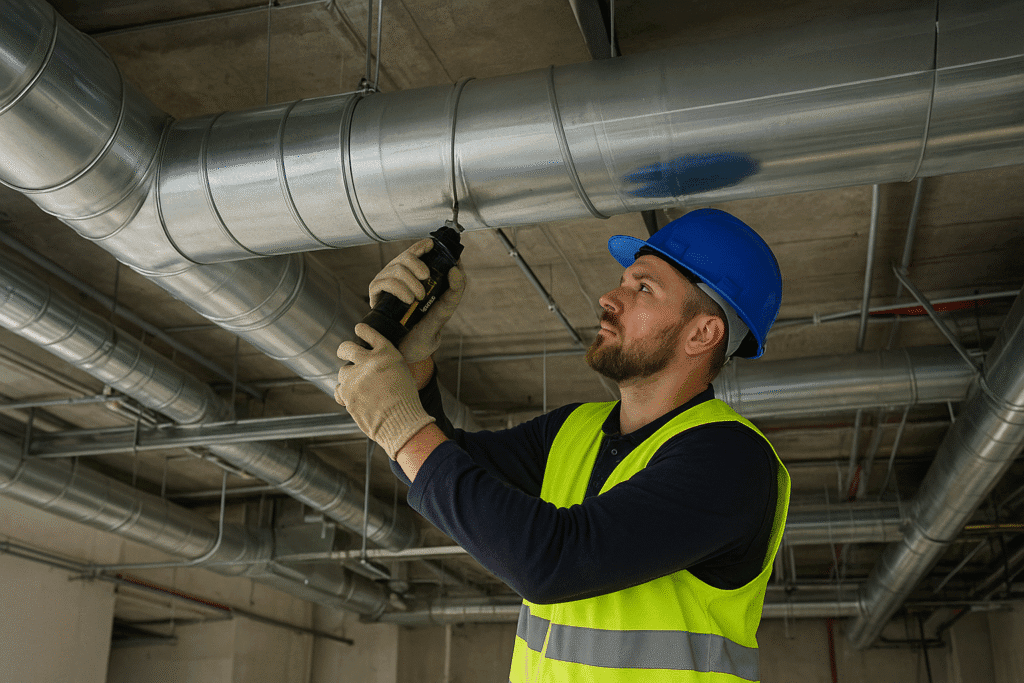
They’re not only responsible for installation but also maintenance, troubleshooting, and system optimization throughout a building’s lifespan. Their preventative maintenance programs ensure HVAC, plumbing, and fire systems continue to perform at peak efficiency.
In large facilities such as hospitals, airports, and data centers, any downtime in mechanical systems can cause serious financial or operational damage.
By conducting routine inspections, performance testing, and equipment upgrades, mechanical experts prevent issues long before they become crises.
For example, in data centers, maintaining stable cooling is critical to prevent overheating of servers.
Mechanical teams monitor airflow, pressure, and temperature through Building Management Systems (BMS) — intelligent networks that allow remote monitoring and predictive maintenance.
This constant vigilance keeps essential systems running smoothly, ensuring comfort, safety, and productivity 24/7.
4. They Bring Complex Engineering Designs to Life
Architects may dream up stunning buildings, but it’s the Mechanical Contractors who transform those visions into functional, breathing spaces.
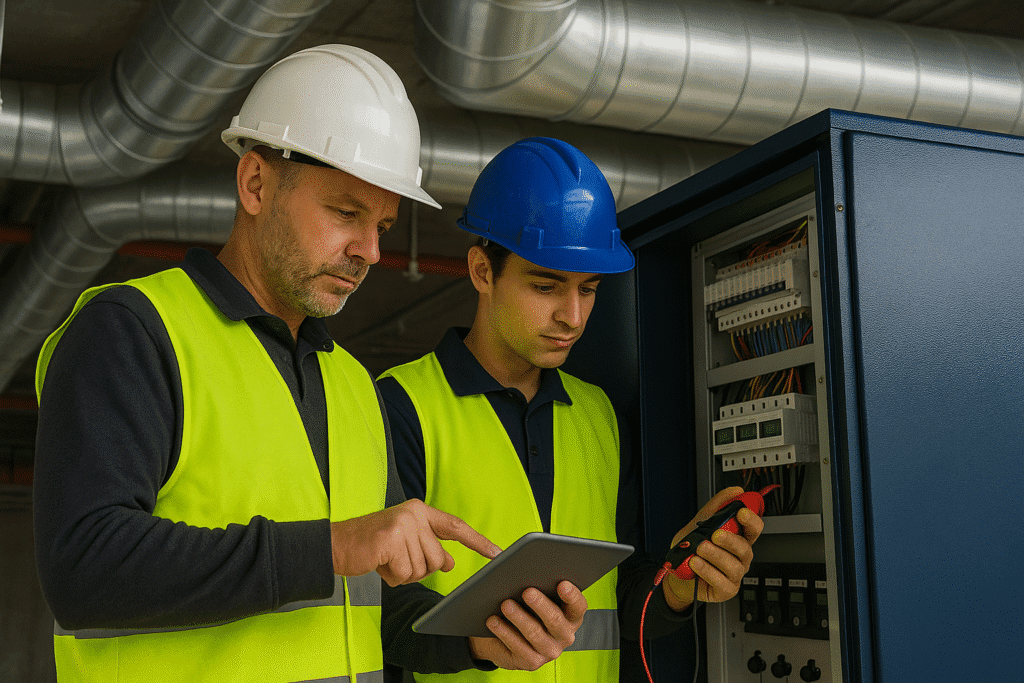
Their role bridges the gap between design and reality. Working closely with architects, electrical engineers, and general contractors, they map out how mechanical systems integrate within structural frameworks.
Every pipe, duct, and valve must fit precisely without disrupting the architectural vision. This process requires extraordinary coordination and technical knowledge.
For instance, in a modern high-rise, thousands of meters of piping and ductwork must coexist with electrical and structural elements in tight spaces.
Mechanical contractors use 3D BIM (Building Information Modeling) tools to visualize and plan system layouts before construction even begins, reducing on-site errors and costly rework.
🔗 Read more: Learn how HVAC contractors enhance building performance
This ability to combine engineering precision with real-world practicality makes mechanical contractors indispensable to every successful construction project.
5. They Protect Health, Safety, and Code Compliance
Mechanical systems don’t just create comfort — they protect life.
Mechanical contractors play a critical role in maintaining indoor air quality, fire suppression, and sanitation systems, which directly affect public health and safety.
In hospitals, mechanical experts design ventilation systems that prevent the spread of airborne pathogens.
In manufacturing facilities, they maintain humidity levels to protect sensitive materials.
And in commercial kitchens or laboratories, they install exhaust and filtration systems that remove harmful contaminants.
They also ensure full compliance with local building codes, environmental laws, and occupational safety standards.
Failure to meet these standards can result in fines, shutdowns, or even health risks — outcomes that skilled mechanical teams work tirelessly to prevent.
💧 External Resource: U.S. Department of Energy – HVAC Efficiency Insights
Simply put, they are guardians of both comfort and compliance — keeping buildings safe, healthy, and legally sound.
The Future of Mechanical Contractors in Smart Buildings
As technology reshapes the construction industry, Mechanical Contractors are evolving into digital innovators.
The rise of smart buildings, IoT (Internet of Things), and AI-driven systems is transforming how mechanical infrastructure is monitored and managed.
Future contractors are adopting intelligent sensors that track air quality, detect leaks, and adjust HVAC settings automatically based on real-time data.
This shift enables predictive maintenance — identifying potential failures before they happen — saving money and reducing downtime.
Moreover, digital twin technology now allows engineers to simulate a building’s entire mechanical system in a virtual model, optimizing performance even before construction starts.
As cities become smarter and sustainability becomes non-negotiable, mechanical contractors will play a leading role in building a more connected, efficient, and resilient future.
🏙️ Read more: Explore the rise of smart HVAC technology in modern construction
Conclusion: Recognizing the True Backbone of Modern Infrastructure
Behind every well-designed structure stands a team of Mechanical Contractors — the hidden force that makes it all work.
They create comfort, ensure sustainability, maintain operations, bring engineering to life, and protect health and safety.
Their influence extends beyond pipes and ducts; they shape how people live, work, and thrive within modern spaces.
The next time you enjoy a climate-controlled office, a quiet hospital room, or a perfectly ventilated hotel lobby, remember — it’s the work of these dedicated professionals making it all possible.
Mechanical contractors are not just part of the construction process; they are the heartbeat of modern infrastructure — the heroes who keep our buildings alive, efficient, and safe for generations to come.
