

Table of Contents
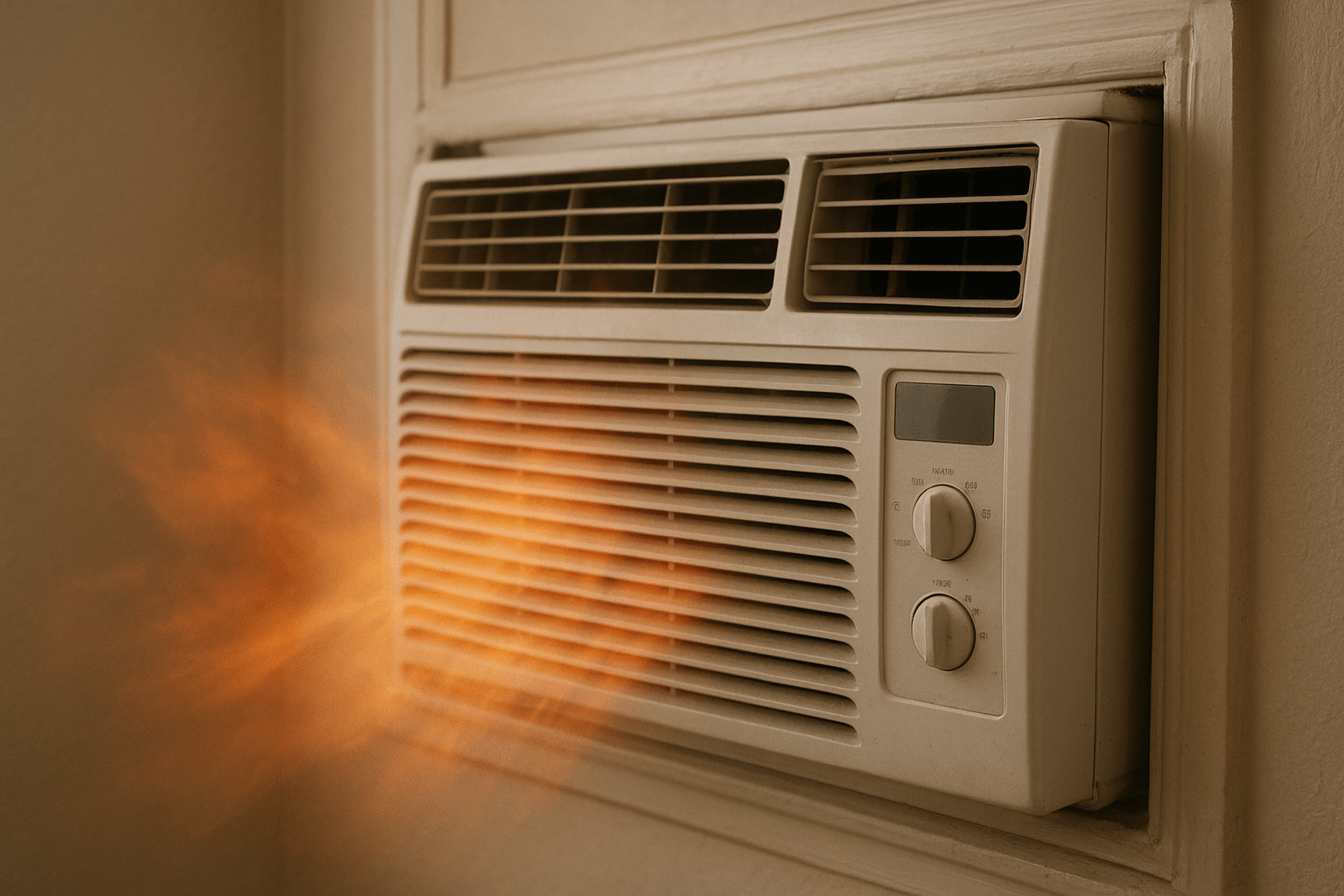
Air conditioning (AC) plays a crucial role in keeping our homes and workplaces comfortable, particularly during the sweltering heat of summer. There’s nothing worse than expecting a cool, refreshing breeze from your AC only to find it blowing warm, ineffective air instead. When this happens, it can disrupt your daily routine, make your living space uncomfortable, and even increase your energy bills as the system struggles to compensate.
Before jumping to expensive repairs or considering a full AC replacement, it’s important to understand the various reasons why your unit might not be cooling properly. Several factors—ranging from simple maintenance issues to more complex mechanical problems—can prevent your AC from delivering the cold air you rely on.
In this guide, we will explore in detail the 10 most common reasons your AC is blowing warm air, explaining how each issue affects your system and what steps you can take to restore efficient cooling. By identifying the root causes, you can make informed decisions about maintenance, repair, or replacement, ultimately saving money and keeping your home comfortable all year round.
1. Dirty Air Filters
One of the most overlooked yet common reasons your AC might be blowing warm air is a dirty or clogged air filter. Air filters are designed to trap dust, dirt, pollen, pet dander, and other airborne particles, preventing them from entering the AC system and circulating throughout your home. Over time, however, these filters can become clogged with debris, significantly restricting airflow.
When airflow is restricted, your AC cannot operate efficiently. The evaporator coil inside the system may not get enough air passing over it, which is essential for absorbing heat from your indoor space. Without proper airflow, the coil can even begin to freeze, further preventing the AC from cooling your home. This often results in the AC blowing air that feels warm or lukewarm, rather than the cool breeze you expect.
Dirty filters also force the AC system to work harder to circulate air, which increases energy consumption and puts extra strain on the components. This can shorten the lifespan of your unit and lead to more frequent breakdowns over time.STUD HVAC
Signs your air filter may be dirty include:
- Reduced airflow from your AC vents
- Unusual dust accumulation on furniture
- Increased energy bills without an obvious reason
- A musty or dusty smell when the AC is running
Maintenance Tip: To keep your AC functioning properly, it’s important to check and replace air filters regularly. Depending on the type of filter and usage, most homeowners should inspect their AC filter every month and replace it at least every 1–3 months. If you have pets, live in a dusty environment, or use your air conditioner heavily during summer, more frequent replacements may be necessary.
Keeping your air filters clean is a simple yet highly effective way to prevent your AC from blowing warm air and to maintain a comfortable indoor environment. It’s one of the easiest steps you can take to ensure your AC works efficiently while reducing energy costs.
Read more : Clean Filters, Cleaner Air: What Your AC Says About Indoor Health
2. Low Refrigerant Level
Another common reason your air conditioner may be blowing warm air is low refrigerant levels. Refrigerant is the essential fluid that your air conditioner system uses to absorb heat from inside your home and release it outside. Without an adequate amount of refrigerant, the system cannot effectively remove heat, resulting in insufficient cooling and warm air coming from your vents.
Low refrigerant levels are usually caused by leaks in the air conditioner system. These leaks can occur in the evaporator coils, condenser coils, or the connecting lines. Over time, small leaks can gradually reduce the refrigerant charge, leading to decreased cooling performance. Unlike other maintenance issues, low refrigerant is not something you can simply “top off” on your own—doing so without addressing the leak can cause serious damage to your air conditioner system, including compressor failure.
Signs your air conditioner may have low refrigerant include:
- Weak airflow from vents
- Warm air being blown even when the system is on the coldest setting
- Ice forming on the evaporator coils or refrigerant lines
- The AC turning on and off more frequently than normal
Maintenance Tip: If you suspect your air conditioner has low refrigerant, it’s crucial to contact a licensed HVAC technician. They can locate and repair any leaks, recharge the system with the correct type and amount of refrigerant, and ensure your air conditioner operates efficiently. Regular air conditioner inspections can help identify small leaks before they turn into major problems, keeping your system running smoothly and preventing warm air issues.
Maintaining proper refrigerant levels is vital for your AC’s cooling efficiency. Not only does it ensure your home stays comfortable, but it also protects your system from long-term damage and expensive repairs.
3. Frozen Evaporator Coil
A frozen evaporator coil is another frequent reason your air conditioner might be blowing warm air. The evaporator coil is a critical component of your air conditioning system—it absorbs heat from the air inside your home and allows your air conditioner to blow cool air through the vents. When this coil freezes, it can no longer perform its job properly, causing warm air to circulate instead of cold.
Several factors can lead to a frozen evaporator coil. One of the most common causes is restricted airflow due to dirty air filters, blocked vents, or clogged ducts. Without sufficient airflow, the refrigerant inside the coil cannot absorb heat efficiently, causing the coil to drop below freezing. Another reason can be low refrigerant levels, which reduce the coil’s ability to transfer heat and can lead to ice formation.
Signs of a frozen evaporator coil include:
- AC blowing warm or lukewarm air
- Reduced airflow from the vents
- Ice or frost visible on the indoor unit or refrigerant lines
- Unusual hissing or bubbling sounds from the air conditioner
Maintenance Tip: If you notice a frozen coil, immediately turn off your air conditioner to prevent further damage. Allow the ice to melt completely before restarting the system. While waiting, check air filters and vents for blockages. However, frozen coils often indicate a deeper issue, such as low refrigerant or airflow problems, which require the expertise of a licensed HVAC technician to properly diagnose and repair.
Preventing a frozen evaporator coil comes down to regular maintenance: keep air filters clean, ensure proper airflow, and schedule routine air conditioner inspections. By addressing these issues early, you can avoid warm air problems and keep your home comfortably cool.
4. Thermostat Issues
Sometimes the problem isn’t with your air conditioner unit itself but with the thermostat that controls it. The thermostat acts as the command center for your air conditioning system, signaling when to turn on, turn off, or adjust cooling levels. If the thermostat is malfunctioning, incorrectly calibrated, or poorly placed, it can cause your air conditioner to blow warm air even when it should be cooling your home.
Common thermostat issues include dead or low batteries, loose wiring, or outdated models that fail to communicate properly with your air conditioner system. In some cases, the thermostat may be reading the wrong temperature due to being located in a sunny spot, near heat sources, or in areas with poor airflow. When this happens, the air conditioner may not receive the correct signal to start cooling, resulting in warm air circulating through your home.
Signs of a thermostat problem include:
- air conditioner fails to turn on even when the temperature is set low
- Inconsistent temperatures in different rooms
- air conditioner running constantly without effectively cooling
- Display screen malfunctioning or showing incorrect temperatures
Maintenance Tip: Start by checking your thermostat settings and ensuring it’s set to the desired temperature and cooling mode. Replace batteries if needed and make sure the device is clean and free from dust. If you’re using an older thermostat, consider upgrading to a modern digital or smart thermostat, which can provide more precise temperature control and improve your AC’s efficiency.
A properly functioning thermostat ensures your air conditioner operates smoothly and only runs when needed, preventing warm air issues and unnecessary energy consumption. Regularly checking and maintaining your thermostat is a simple yet effective step toward keeping your home cool and comfortable year-round.
5. Faulty Compressor
The compressor is often referred to as the “heart” of your air conditioner system, and for good reason. It is responsible for circulating refrigerant through the system, allowing your air conditioner to absorb heat from indoors and release it outside. If the compressor fails or is malfunctioning, your air conditioner will struggle to cool your home properly and may end up blowing warm air instead.
Compressor issues can arise for several reasons. Electrical problems, worn-out components, or lack of maintenance can all lead to a failing compressor. Over time, normal wear and tear can also reduce the efficiency of the compressor, making it less capable of maintaining the proper pressure needed to cool your home effectively. In some cases, refrigerant issues can overload the compressor, causing it to overheat and fail.
Signs of a faulty compressor include:
- AC blowing warm air despite being set to the coldest temperature
- Loud or unusual noises coming from the outdoor unit
- AC turning on and off frequently (short cycling)
- Tripped circuit breakers or blown fuses associated with the AC unit
Maintenance Tip: Compressor problems are complex and often require professional diagnosis. Regular AC maintenance can help detect early signs of compressor strain, such as unusual noises or reduced cooling efficiency, preventing complete failure. If your compressor is failing, it’s crucial to call a licensed HVAC technician, as attempting DIY repairs can be dangerous and may void warranties.
While a faulty compressor can be one of the more expensive air conditioner issues to fix, timely intervention can save your system from further damage. Maintaining your air conditioner and scheduling periodic inspections ensures the compressor remains in good condition, keeping your home comfortably cool and avoiding warm air problems.
6. Dirty Condenser Coils
The condenser coil is an essential part of your air conditioner system, responsible for releasing the heat absorbed from your home to the outside environment. When the condenser coil becomes dirty or covered in debris, your air conditioner cannot effectively release heat, which significantly reduces its cooling efficiency. This is a common reason why your air conditioner might start blowing warm air instead of cold.
Outdoor condenser coils are constantly exposed to dirt, dust, leaves, pollen, and other debris. Over time, these contaminants can build up and form a layer that blocks proper heat transfer. A dirty condenser coil forces your air conditioner to work harder to maintain the desired indoor temperature, which not only decreases cooling performance but also increases energy consumption and wear on the system.
Signs your condenser coil may be dirty include:
- AC blowing warm or lukewarm air
- Higher than usual energy bills
- air conditioner frequently cycling on and off without reaching the set temperature
- The outdoor unit feels unusually hot during operation
Maintenance Tip: Regularly inspect your outdoor air conditioner unit and clean the condenser coils if necessary. Turn off the power to the unit before cleaning to ensure safety. Use a soft brush or garden hose to remove dirt and debris gently—avoid high-pressure water as it can damage the fins. Keeping the area around the outdoor unit clear of plants, leaves, and other obstructions also helps maintain proper airflow.
Routine maintenance of your condenser coils not only prevents warm air issues but also prolongs the life of your air conditioner system and ensures it operates at peak efficiency. A clean coil allows your air conditioner to cool effectively, reduces strain on the system, and helps you save on energy bills.
7. Leaky Ductwork
Your air conditioner system relies on ductwork to deliver cool air from the indoor unit to every room in your home. If your ducts have leaks, holes, or disconnected joints, a significant amount of conditioned air can escape before it reaches the intended spaces. This is a common reason why your air conditioner may blow warm air, even when the system itself is functioning properly.
Leaky ductwork not only reduces the cooling efficiency of your air conditioner but also forces it to work harder to maintain the desired temperature. Over time, this extra strain can lead to increased energy bills, wear on system components, and uneven cooling throughout your home. Duct leaks can occur for a variety of reasons, including poor installation, natural settling of the house, or accidental damage from renovations or pests.
Signs your ductwork may be leaking include:
- Rooms that feel warmer or cooler than others despite the air conditioner running
- Unusually high energy bills without increased usage
- Reduced airflow from vents
- Visible gaps or disconnected duct joints in attics, basements, or crawl spaces
Maintenance Tip: Inspect your ducts periodically, especially in areas that are less visible, like the attic or crawl space. Sealing gaps with mastic sealant or metal tape can prevent air loss. For larger or hard-to-reach leaks, it’s best to hire a professional HVAC technician, who can properly test the ducts and ensure they are fully sealed.
Properly sealed ductwork ensures that the cool air generated by your air conditioner reaches every part of your home efficiently. Fixing leaks not only restores your AC’s cooling power but also helps save energy and extend the life of your system, keeping warm air problems at bay.
8. Electrical Issues
Your air conditioner system relies heavily on electrical components to operate effectively. From circuit breakers and fuses to capacitors and wiring, any electrical problem can prevent your air conditioner from functioning properly and may cause it to blow warm air instead of cooling your home. Electrical issues can also be dangerous, so it’s important to address them promptly.
Common electrical problems in air conditioner systems include blown fuses, tripped breakers, faulty wiring, and malfunctioning capacitors. A blown fuse or tripped breaker can stop your air conditioner from receiving the power it needs to cool your home. Similarly, damaged or frayed wiring can interrupt the flow of electricity, leading to inconsistent operation or even a complete shutdown. A failing capacitor, which helps start the compressor and fan motors, can also result in warm air being blown from your vents.
Signs of electrical problems include:
- Aair conditioner not turning on despite thermostat settings
- air conditioner turning on and off intermittently
- Sparks, burning smells, or unusual noises near the air conditioner unit
- Frequent tripping of circuit breakers
Maintenance Tip: Electrical issues in an air conditioner system should always be handled by a licensed HVAC technician or electrician. Attempting DIY repairs can be dangerous and may damage your system further. Regular maintenance checks can help identify potential electrical problems early, ensuring that your air conditioner continues to function safely and efficiently.
Addressing electrical issues promptly not only restores your AC’s cooling ability but also protects your home and family from potential hazards. Keeping all electrical components in good working order is essential for preventing warm air problems and ensuring reliable, efficient performance year-round.
9. Undersized AC Unit
Sometimes, the issue isn’t a malfunctioning AC but an air conditioner that is simply too small for your home. An undersized air conditioner unit struggles to keep up with the cooling demands of larger spaces or homes with poor insulation. When an air conditioner is undersized, it may run continuously without adequately lowering the indoor temperature, often resulting in warm air blowing from your vents.
An AC’s size is measured in BTUs (British Thermal Units) or tons, and it must be properly matched to the square footage, ceiling height, insulation, and climate of your home. Installing an air conditioner that’s too small can lead to several problems, including:
- Inconsistent temperatures in different rooms
- Longer run times, causing higher energy bills
- Increased wear and tear on system components
- Inability to maintain the desired comfort level
Signs your AC might be undersized include:
- The unit runs constantly but the home remains warm
- Uneven cooling across rooms
- Frequent cycling or strain noises from the air conditioner
- Higher energy consumption than expected
Maintenance Tip: If you suspect your air conditioner is undersized, it’s important to have a professional HVAC technician perform a load calculation. This assessment considers the size of your home, insulation quality, window placement, and local climate to determine the correct air conditioner size. In some cases, replacing the unit with a properly sized air conditioner may be the best long-term solution.
Having the right-sized air conditioner unit ensures efficient cooling, balanced temperatures, and lower energy bills. Proper sizing eliminates warm air issues caused by overworked or insufficiently powerful systems and keeps your home comfortable, even during the hottest months.
Read more : 9 Common AC Problems Homeowners Face — and Their Solutions
10. Age and Wear
Like any mechanical system, your air conditioner unit will naturally degrade over time. Even with regular maintenance, components wear out, efficiency decreases, and performance can decline. Older air conditioner systems often struggle to maintain consistent cooling, which can lead to warm air blowing from the vents, even if everything else seems to be functioning correctly. airtechsheatingcooling
Over the years, parts such as the compressor, fan motors, coils, and electrical components can become less effective. Refrigerant lines may develop leaks, and the overall system may lose the ability to circulate air efficiently. As the air conditioner ages, it may require more frequent repairs and ultimately fail to meet your home’s cooling needs.
Signs your AC may be too old include:
- Increasingly frequent breakdowns or repairs
- Rising energy bills without changes in usage
- Inability to maintain set temperatures
- Loud or unusual noises from the unit
- air conditioner running continuously without cooling effectively
Maintenance Tip: While regular servicing can extend the life of your air conditioner , there comes a point when replacement is the most cost-effective solution. If your unit is more than 10–15 years old or requires constant repairs, consider upgrading to a modern, energy-efficient system. Newer air conditioner units offer better cooling performance, improved energy efficiency, and more reliable operation.
Investing in a new air conditioner not only resolves the problem of warm air but also provides long-term comfort and savings. Understanding the limitations of an aging system helps you make informed decisions and prevents unnecessary frustration caused by inefficient cooling.
Conclusion
Your AC blowing warm air can be caused by a variety of issues, from simple maintenance problems like dirty filters to more complex mechanical failures such as a faulty compressor or aging system components. Regular maintenance, timely inspections, and addressing issues promptly can prevent most of these problems, keeping your air conditioner running efficiently and your home comfortable.
By understanding the root causes and taking proactive steps, you can save money, extend the lifespan of your air conditioner , and enjoy consistent, cool air all year round.
