


Table of Contents
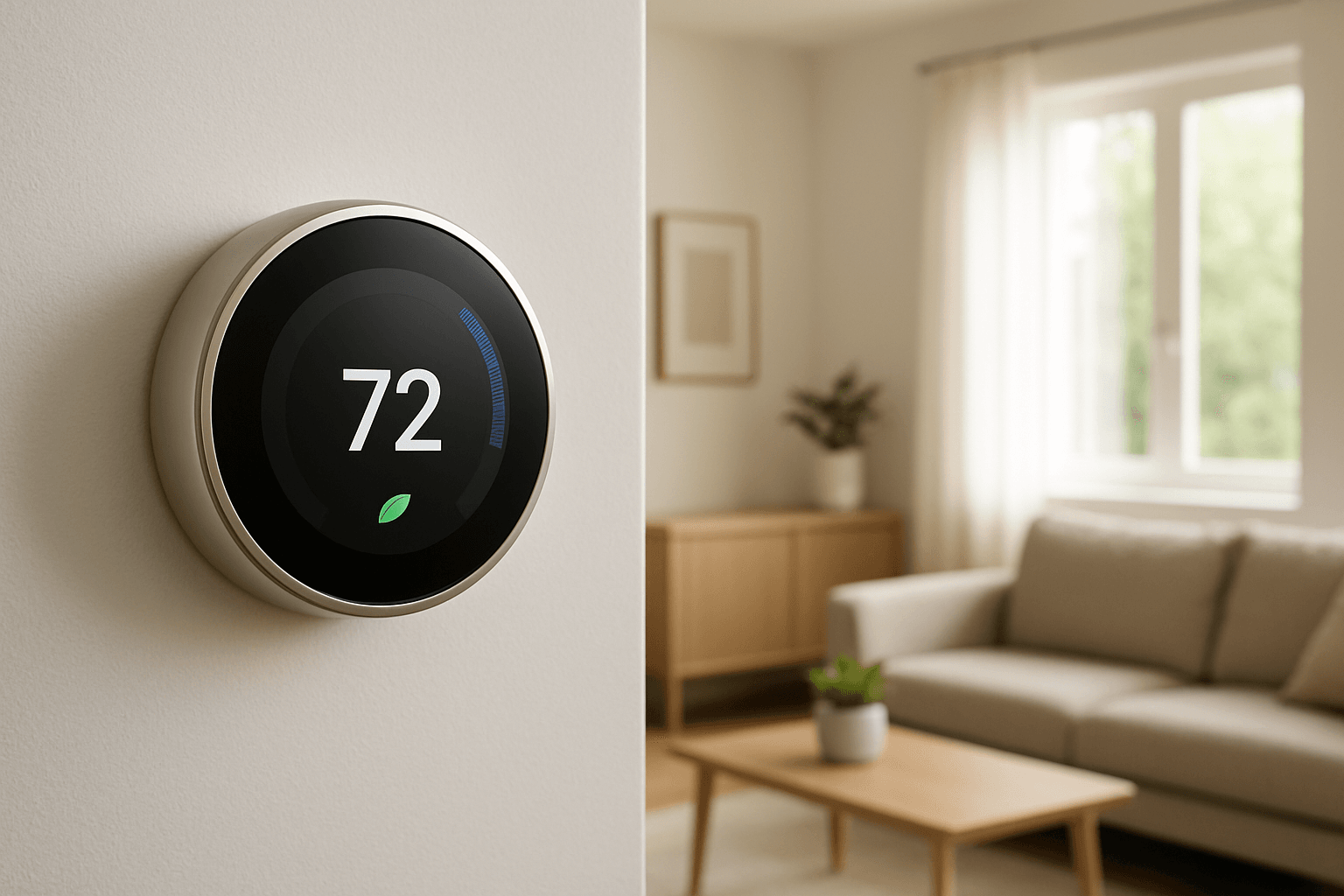
In today’s modern homes, Smart Thermostats have evolved far beyond simple temperature control. These intelligent devices combine cutting-edge technology with everyday convenience, allowing homeowners to manage their indoor environment with unprecedented precision. By learning your daily routines and adapting automatically, Smart Thermostats optimize energy usage while ensuring consistent comfort throughout the home.
They not only make heating and cooling systems more efficient but also provide insights and control that traditional thermostats simply cannot match. From lowering energy bills to integrating seamlessly with other smart home devices, the benefits of Smart Thermostats extend well beyond the basics, making them a highly valuable addition to any household. Below, we explore 10 key advantages that demonstrate why investing in a Smart Thermostat is a wise choice for enhancing both comfort and efficiency at home.
1. Energy Savings and Efficiency
One of the most compelling reasons homeowners choose Smart Thermostats is their ability to significantly reduce energy consumption. Traditional thermostats require manual adjustments and often lead to heating or cooling the home unnecessarily, wasting both energy and money. Smart Thermostats, however, leverage advanced learning algorithms to understand your daily routines, preferred temperatures, and even seasonal patterns.
For instance, these devices can automatically lower the heat when you leave for work in the morning or reduce air conditioning when everyone is asleep. Over time, the thermostat learns your schedule and begins making these adjustments proactively, without any input from you. This precise control not only enhances comfort but also reduces the workload on your HVAC system, helping it operate more efficiently.
Moreover, many Smart Thermostats are equipped with adaptive features that respond to external factors such as weather forecasts. On unusually warm or cold days, the thermostat can make subtle adjustments to maintain a consistent indoor climate while conserving energy. The cumulative effect of these small, intelligent changes often leads to substantial savings on monthly utility bills, making the initial investment in a Smart Thermostat financially worthwhile. edgeant
In addition to cost savings, energy-efficient operation also has a positive environmental impact. By reducing unnecessary energy consumption, homeowners can lower their carbon footprint and contribute to a more sustainable lifestyle. In this way, Smart Thermostats are not just a convenience—they are a practical solution for combining comfort, efficiency, and environmental responsibility in the modern home.
Read more : 11 Energy-Saving HVAC Tips Every Homeowner Should Know
2. Remote Control from Anywhere
Another major advantage of Smart Thermostats is the ability to control your home’s temperature from virtually anywhere. Unlike traditional thermostats that require you to be physically present to make adjustments, Smart Thermostats connect to your smartphone, tablet, or even your computer, giving you full control at your fingertips. This feature is especially valuable for busy homeowners, frequent travelers, or anyone who wants to ensure their home is always at the perfect temperature.
With remote access, you can make real-time adjustments regardless of your location. For example, if you’re heading home on a chilly winter evening, you can turn up the heat so your living space is warm and comfortable the moment you arrive. In the summer, you can lower the air conditioning while you’re at work, preventing energy waste and avoiding the unpleasant surprise of coming home to a hot house.
Smart Thermostats also allow multiple users to access the system simultaneously, making it easy for family members to adjust settings without disrupting pre-set schedules. Many models include intuitive mobile apps with user-friendly interfaces, detailed temperature graphs, and notifications, providing a level of convenience that traditional thermostats simply cannot match.
Beyond convenience, remote control features can improve energy efficiency. By monitoring and adjusting temperature settings on the go, homeowners can prevent unnecessary heating or cooling, reduce utility bills, and even extend the life of their HVAC system. Ultimately, the remote control capability transforms your thermostat from a static household device into a dynamic, responsive tool that adapts to your lifestyle—enhancing comfort, convenience, and energy management all at once.
3. Personalized Comfort Settings
One of the standout features of Smart Thermostats is their ability to provide truly personalized comfort. Unlike conventional thermostats that operate on static settings, Smart Thermostats learn from your habits and preferences over time, creating a customized heating and cooling schedule tailored specifically to your household.
These devices track patterns such as when you wake up, leave for work, return home, or go to bed, and adjust temperatures accordingly. For example, your thermostat might gently warm the bedroom before you wake up, cool the living room in the afternoon when the family is most active, and reduce energy use in unoccupied areas. Over time, the system anticipates your needs, automatically maintaining optimal comfort without requiring constant manual adjustments. hidintech
Many Smart Thermostats also allow you to set different comfort profiles for different family members. This means each person can enjoy their preferred temperature in specific zones of the home, creating a more harmonious living environment. Additionally, the devices often offer seasonal adjustments, accounting for changes in outdoor temperatures to maintain consistent indoor comfort year-round.
Beyond convenience, personalized comfort settings contribute to energy efficiency. By only heating or cooling spaces when needed and to the exact preferred temperatures, Smart Thermostats minimize energy waste while enhancing comfort. This combination of adaptability, intelligence, and efficiency demonstrates why personalized comfort settings are a major advantage of installing a Smart Thermostat in any modern home.
Read more : 5 Ways Smart Heating Technology Is Redefining Home Comfort
4. Integration with Smart Home Systems
A key advantage of Smart Thermostats is their seamless integration with modern smart home ecosystems. Today’s homes often feature interconnected devices—from lighting and security systems to voice assistants—and Smart Thermostats are designed to fit perfectly into this network, enhancing both convenience and control.
By connecting your thermostat to platforms like Amazon Alexa, Google Home, or Apple HomeKit, you can manage your home’s temperature using voice commands, creating a hands-free, effortless experience. For instance, simply saying, “Alexa, set the living room to 72 degrees” instantly adjusts the temperature without lifting a finger. This integration allows homeowners to control multiple smart devices simultaneously, such as turning on lights, adjusting the thermostat, and activating security systems—all through a single interface.
In addition, integration with smart home systems enables advanced automation. Smart Thermostats can work in tandem with other devices to create routines that optimize comfort and efficiency. For example, the thermostat can lower the heat or cooling when smart blinds close, or adjust temperatures based on motion sensors that detect room occupancy. This level of synchronization ensures that energy is only used when necessary, enhancing both convenience and sustainability.
Moreover, some Smart Thermostats can connect to utility services or energy management apps, allowing for real-time monitoring of energy consumption and even participation in demand-response programs. These features not only save money but also contribute to smarter energy use on a larger scale.
By integrating with smart home systems, Smart Thermostats transform your home into a cohesive, intelligent environment where comfort, convenience, and efficiency work together seamlessly, making them an indispensable component of any modern home.
5. Energy Usage Reports
Another significant advantage of Smart Thermostats is their ability to provide detailed energy usage reports, giving homeowners insights into how their heating and cooling systems operate. Unlike traditional thermostats, which offer no feedback beyond the current temperature, Smart Thermostats track energy consumption patterns over time and present this data in an easy-to-understand format, often accessible via a smartphone app or web portal.
These reports show when and how your HVAC system is being used, highlighting periods of high energy consumption and identifying opportunities to save. For example, you might discover that your air conditioning runs excessively during certain hours or that heating is used unnecessarily in unoccupied rooms. With this information, you can make informed adjustments to reduce energy waste and optimize system performance.
Many Smart Thermostats also provide comparative insights, showing how your energy usage stacks up against previous weeks, months, or even similar households. This allows you to set realistic goals for energy savings and track progress over time. Some models even suggest actionable tips, such as adjusting temperature settings or implementing more efficient schedules, further empowering homeowners to take control of their energy consumption.
In addition to saving money, these insights can extend the lifespan of your HVAC system. By identifying inefficiencies or overuse, Smart Thermostats help prevent unnecessary strain on heating and cooling equipment, reducing maintenance costs and lowering the likelihood of breakdowns.
Ultimately, energy usage reports turn abstract utility bills into tangible, actionable information. By giving homeowners a clear picture of how energy is consumed, Smart Thermostats not only enhance efficiency and reduce costs but also promote environmentally responsible living.
6. Alerts and Maintenance Reminders
Smart Thermostats go beyond controlling temperature—they actively monitor the health and performance of your HVAC system. One of their standout features is the ability to send alerts and maintenance reminders, keeping homeowners informed about potential issues before they become costly problems.
For instance, a Smart Thermostat can notify you if it detects unusual temperature fluctuations, which may indicate a malfunctioning HVAC component, such as a failing compressor or a clogged filter. Early alerts allow you to address these issues promptly, preventing system breakdowns, reducing repair costs, and avoiding uncomfortable indoor conditions.
In addition to real-time alerts, many Smart Thermostats provide maintenance reminders based on system usage or predefined schedules. They can prompt you to change air filters, schedule routine inspections, or service your heating and cooling equipment at optimal intervals. This proactive approach ensures that your HVAC system operates efficiently year-round, extending its lifespan and maintaining consistent comfort levels.
Some advanced models even analyze energy patterns to detect subtle declines in efficiency, such as longer heating or cooling cycles. By flagging these trends, Smart Thermostats help homeowners optimize performance, lower energy consumption, and avoid unnecessary wear and tear on equipment.
Ultimately, alerts and maintenance reminders turn a Smart Thermostat into more than just a temperature controller—they make it a guardian for your home’s comfort system. By keeping you informed and proactive, these features save time, reduce stress, and ensure that your home remains comfortable and energy-efficient at all times.
7. Geo-Fencing for Automatic Adjustments
One of the most innovative features of Smart Thermostats is geo-fencing, which allows your thermostat to automatically adjust the temperature based on your location. Using the GPS technology in your smartphone, the thermostat can detect when you leave or approach your home, making real-time adjustments that enhance both comfort and energy efficiency.
For example, when you leave the house for work or errands, the thermostat can automatically lower heating or cooling to conserve energy. Conversely, as you approach home, it can begin adjusting the temperature so that you arrive to a warm or cool environment, depending on the season. This level of automation eliminates the need for manual intervention and ensures your home is always at the ideal temperature when you need it.
Geo-fencing also helps prevent energy waste by ensuring that empty homes are not unnecessarily heated or cooled. Traditional thermostats rely on schedules or manual changes, which can often be inaccurate. With geo-fencing, your Smart Thermostat responds dynamically to your actual movements, making energy management more precise and effective.
In addition, many geo-fencing-enabled thermostats can integrate with other smart home devices. For instance, leaving the house might trigger not only temperature adjustments but also turning off lights or locking doors, creating a fully automated home environment.
By combining convenience, energy savings, and automation, geo-fencing transforms a Smart Thermostat from a simple temperature control device into an intelligent system that adapts seamlessly to your lifestyle. It ensures comfort when you need it, reduces energy waste when you don’t, and provides a level of efficiency that traditional thermostats simply cannot match.
8. Multi-Zone Temperature Control
A notable advantage of Smart Thermostats is their ability to support multi-zone temperature control, providing tailored comfort for different areas of your home. Unlike traditional thermostats that regulate a single temperature for the entire house, multi-zone systems allow you to set different temperatures for individual rooms or zones, ensuring that each space is comfortable according to its specific needs.
This feature is particularly useful in larger homes or households with varying preferences. For instance, one family member may prefer a cooler bedroom at night, while another enjoys a warmer living area during the day. With multi-zone temperature control, a Smart Thermostat can manage these differing requirements effortlessly, keeping everyone comfortable without overworking the HVAC system.
Multi-zone control also enhances energy efficiency. By heating or cooling only the rooms that are occupied, Smart Thermostats reduce unnecessary energy consumption, which can lead to significant savings on utility bills over time. Some systems even pair with motion sensors to detect activity in each zone, automatically adjusting temperatures when rooms are unoccupied.
In addition, many multi-zone Smart Thermostats integrate seamlessly with smart home platforms, allowing you to control each zone individually via smartphone apps or voice commands. This provides ultimate convenience and flexibility, whether you’re at home, at work, or traveling.
Overall, multi-zone temperature control transforms the way you experience home comfort. It ensures that every corner of your home is optimized for both comfort and efficiency, offering personalized temperature settings while reducing energy waste—a clear demonstration of the intelligent capabilities that Smart Thermostats bring to modern households.
9. Eco-Friendly Living
In addition to enhancing comfort and convenience, Smart Thermostats play a significant role in promoting eco-friendly living. By intelligently managing energy consumption, these devices help reduce greenhouse gas emissions and contribute to a more sustainable lifestyle. Unlike traditional thermostats, which often waste energy by heating or cooling empty homes, Smart Thermostats optimize HVAC operation based on actual usage patterns, schedules, and occupancy.
For example, a Smart Thermostat can automatically lower heating when the house is unoccupied or adjust cooling during peak energy hours, minimizing energy waste. Many models also provide detailed energy usage reports, allowing homeowners to identify inefficient practices and make informed decisions that further reduce their environmental impact.
Moreover, by participating in smart energy programs or demand-response initiatives offered by utility companies, Smart Thermostats can help balance energy demand across the grid. This not only supports the environment but can also provide financial incentives for homeowners who reduce energy consumption during peak periods.
Using a Smart Thermostat is an easy yet powerful way to live more sustainably without sacrificing comfort. It allows homeowners to enjoy a modern, convenient lifestyle while actively contributing to environmental conservation. In essence, Smart Thermostats offer a perfect combination of efficiency, comfort, and eco-conscious living, demonstrating that advanced technology can benefit both your home and the planet.
10. Increased Home Value
Investing in a Smart Thermostat is not only beneficial for comfort and efficiency—it can also enhance the overall value of your home. As smart home technology becomes increasingly popular, prospective buyers are looking for modern, energy-efficient features that simplify daily living. A home equipped with a Smart Thermostat signals that it is up-to-date with current technology trends, well-maintained, and energy-conscious, making it more attractive in the real estate market.
Smart Thermostats demonstrate a commitment to energy efficiency, which can appeal to buyers who are mindful of utility costs and environmental impact. A home that automatically optimizes heating and cooling is often seen as a lower-maintenance, smarter investment, as it reduces energy bills and potentially extends the lifespan of HVAC systems.
Additionally, many Smart Thermostats offer remote access, app integration, and compatibility with other smart home devices—features that today’s buyers increasingly expect. These capabilities enhance the perceived value of the home and may provide a competitive edge in a crowded market. Even beyond resale, having a Smart Thermostat contributes to a more comfortable, convenient, and modern living experience, which can make the home more enjoyable for current occupants.
In short, installing a Smart Thermostat is an investment that pays off both immediately, through energy savings and convenience, and in the long term, by increasing your property’s market appeal. It’s a small upgrade with a significant impact, demonstrating that smart technology can add tangible value to any home.
Conclusion
Smart Thermostats are transforming the way homeowners experience comfort, convenience, and energy efficiency. From personalized temperature settings and remote control to geo-fencing, multi-zone management, and smart home integration, these devices offer a wide range of features that go far beyond traditional thermostats. By optimizing energy usage, providing detailed reports, sending maintenance alerts, and even promoting eco-friendly living, Smart Thermostats deliver both immediate and long-term benefits.
Investing in a Smart Thermostat not only enhances daily comfort and reduces utility bills but also increases the overall value of your home. Whether you’re seeking to create a more efficient, eco-conscious household or simply want the convenience of modern technology at your fingertips, Smart Thermostats provide a practical, intelligent solution.
In short, incorporating a Smart Thermostat into your home is a smart decision that combines comfort, cost savings, sustainability, and advanced technology—making your home more comfortable, efficient, and future-ready.
