

Table of Contents
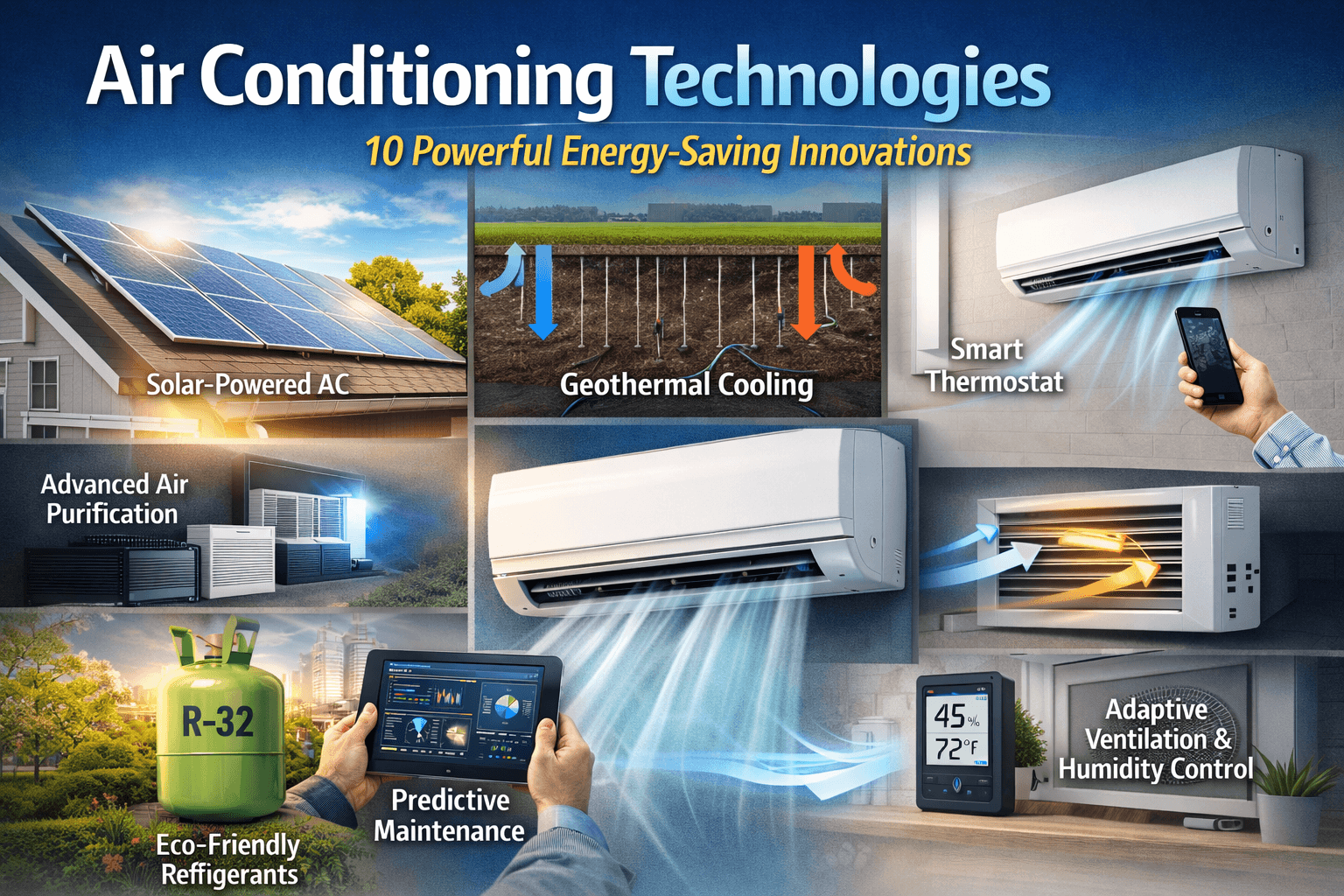
Keeping indoor spaces cool no longer has to come with high electricity bills. Thanks to rapid innovation, modern air conditioning technologies are changing the way homes, offices, and commercial buildings maintain comfort while reducing energy consumption and operational costs. These systems are designed to be smarter, more efficient, and environmentally friendly, offering solutions that go far beyond traditional cooling methods.
Unlike older air conditioners, which often run at full capacity regardless of need, today’s air conditioning technologies use advanced compressors and adaptive systems that adjust output based on real-time demand. This not only lowers energy usage but also prolongs the life of the equipment. Smart integration is also a key feature, with programmable thermostats, mobile apps, and IoT-enabled systems allowing users to control temperature, schedule operation, and monitor energy consumption remotely.
Sustainability is another major focus in modern air conditioning technologies. New refrigerants reduce environmental impact, and solar-powered or hybrid systems use renewable energy to provide cooling efficiently. Additionally, innovations like zone-based cooling allow different areas of a building to maintain separate temperatures, ensuring comfort while preventing energy waste.
Indoor air quality has improved as well, with advanced filters, UV-C treatment, and ionization systems integrated into many air conditioning technologies. These features help remove allergens, pollutants, and airborne particles, creating healthier indoor environments while cooling efficiently.
In short, modern air conditioning technologies combine energy efficiency, smart functionality, and environmental responsibility. They provide superior comfort, lower operational costs, and healthier spaces, redefining how we experience indoor cooling in homes and workplaces.
1. Inverter Compressor Systems: Smarter Cooling for Maximum Efficiency
One of the most significant breakthroughs in modern air conditioning technologies is the development of inverter compressor systems. Unlike traditional air conditioners that operate with a simple on/off mechanism, inverter systems are capable of adjusting their compressor speed continuously to match the exact cooling demand of a room or building. This means that instead of the unit constantly turning on and off—which wastes energy and creates temperature fluctuations—an inverter system runs more smoothly and efficiently. accio
The benefits of this advanced air conditioning technology are numerous. First, energy savings are substantial. Traditional systems can consume up to 30% more electricity because they operate at full power regardless of the actual cooling needs. Inverter systems, by contrast, modulate their output to maintain a consistent temperature, leading to lower monthly energy bills. Over time, this efficiency translates into significant cost savings for both homeowners and commercial property owners.
In addition to saving energy, inverter air conditioning technologies are also quieter. Because the compressor doesn’t constantly switch on and off, noise levels are reduced, making living spaces and work environments more comfortable. This is especially beneficial in bedrooms, offices, or study areas where a quiet environment is important.
Durability is another advantage. Inverter systems experience less mechanical stress because the compressor is not repeatedly starting and stopping. This reduces wear and tear, minimizes the risk of breakdowns, and extends the overall lifespan of the unit. acsupplieruae
Moreover, many inverter air conditioning technologies now come with smart features. Sensors detect room occupancy, temperature changes, and even sunlight intensity, adjusting the cooling output accordingly. This level of intelligence ensures that the system is always working efficiently, providing comfort exactly when and where it is needed.
In short, inverter compressor systems represent a leap forward in air conditioning technologies. They combine energy efficiency, cost savings, quiet operation, and intelligent performance, making them one of the most practical and environmentally friendly solutions for modern cooling needs. For anyone looking to upgrade their home or business cooling system, inverter technology is a smart investment that pays off over time in both comfort and reduced energy bills. accio
Discover more : 8 Energy-Efficient Cooling Systems That Can Transform Your Home Comfort
2. Smart Thermostats and IoT Integration: Intelligent Cooling at Your Fingertips
Modern air conditioning technologies are no longer limited to mechanical components—they are becoming smarter, connected, and highly adaptive thanks to the integration of IoT (Internet of Things) devices. Smart thermostats are one of the most transformative innovations in this space, allowing users to control their cooling systems remotely, automate schedules, and optimize energy consumption based on real-world usage patterns.
Traditional air conditioning units often operate without considering occupancy or external conditions, which can lead to unnecessary energy consumption. Smart thermostats, however, learn how occupants use different spaces. Over time, they analyze temperature preferences, daily routines, and even weather forecasts to adjust cooling output automatically. For example, a smart thermostat can lower cooling during work hours when no one is home and gradually increase comfort levels before occupants return. This dynamic adjustment is a hallmark of advanced air conditioning technologies, allowing for significant energy savings. acsupplieruae
Beyond energy efficiency, smart thermostats improve user convenience and comfort. Most devices are connected to mobile apps, giving homeowners and building managers full control over indoor climate from anywhere in the world. Whether it’s adjusting the temperature while away on vacation or scheduling different settings for weekdays and weekends, these systems provide flexibility traditional units simply cannot match.
Some of the latest air conditioning technologies also incorporate AI-driven insights. These systems monitor real-time electricity rates, outdoor weather conditions, and even humidity levels to optimize operation. By predicting energy demand and adjusting performance proactively, smart AC systems ensure that rooms remain comfortable while minimizing waste.
Additionally, integration with other smart home devices, such as occupancy sensors, lighting, and window blinds, enhances efficiency further. For instance, when sensors detect that a room is empty, the system can reduce cooling, saving energy without compromising comfort. This level of automation represents a major leap in air conditioning technologies, turning passive appliances into active, intelligent components of a home or office ecosystem. accio
In summary, smart thermostats and IoT-enabled cooling systems are redefining modern air conditioning technologies. They combine convenience, efficiency, and intelligence, delivering personalized comfort while reducing electricity bills. For homes and commercial spaces alike, these connected systems offer a glimpse into the future of energy-efficient, responsive cooling solutions.
3. Variable Refrigerant Flow (VRF) Systems: Efficient Zonal Cooling
Among the most advanced air conditioning technologies available today, Variable Refrigerant Flow (VRF) systems have transformed how large buildings and multi-zone spaces are cooled. Unlike traditional HVAC systems that operate at a fixed output and often cool entire floors or areas uniformly, VRF systems adjust the flow of refrigerant to multiple indoor units individually. This allows different rooms or zones to maintain separate temperatures based on actual usage and occupancy, delivering personalized comfort without wasting energy.
The key advantage of VRF systems is energy efficiency. Traditional systems often overcool or undercool spaces because they cannot respond dynamically to changes in room occupancy or heat load. VRF systems continuously regulate refrigerant flow, ensuring that each zone receives precisely the cooling or heating it requires. This precision reduces unnecessary energy consumption, making VRF one of the most sustainable air conditioning technologies for commercial and residential use. accio
Another major benefit of VRF technology is its flexibility. Buildings with multiple tenants, offices, or diverse usage patterns can now implement a single system to meet varying demands. Conference rooms, hallways, server rooms, and private offices can all operate at different temperatures simultaneously. This level of control was impossible with conventional central air systems, positioning VRF as a game-changing innovation in modern air conditioning technologies.
In addition to efficiency and flexibility, VRF systems offer quiet operation. Each indoor unit runs independently and adjusts output gradually, reducing the start-stop noise associated with older compressors. This makes VRF systems ideal for hotels, offices, residential complexes, and healthcare facilities where quiet operation is essential for comfort.
Many VRF systems also incorporate smart features, such as remote monitoring, energy usage tracking, and integration with building management systems (BMS). These capabilities allow facility managers to optimize performance, detect maintenance issues early, and ensure consistent efficiency across multiple zones. Such features make VRF systems a long-term investment, delivering not only comfort but also reduced operational costs and improved building sustainability. acsupplieruae
In short, VRF technology represents a significant leap forward in air conditioning technologies. By providing precise, flexible, and energy-efficient cooling, it meets the complex needs of modern buildings while minimizing energy waste. For anyone managing multi-zone spaces, VRF systems combine comfort, efficiency, and advanced control, making them a smart choice for the future of indoor climate management.
4. Solar-Powered AC Units: Harnessing the Sun for Sustainable Cooling
As energy costs continue to rise and sustainability becomes a priority, solar-powered air conditioning has emerged as one of the most innovative air conditioning technologies available today. These systems use solar panels to convert sunlight into electricity, partially or fully powering the cooling process. By tapping into a renewable energy source, solar AC units dramatically reduce reliance on the electrical grid, lower energy bills, and minimize environmental impact. accio
One of the key advantages of solar-powered systems is their efficiency during peak demand hours. In most regions, the hottest part of the day coincides with peak sunlight. Traditional air conditioning systems draw maximum electricity during these hours, leading to high energy bills. Solar-powered air conditioning technologies use sunlight to meet this peak demand, effectively reducing costs while maintaining comfort. This alignment of solar availability with cooling needs makes these systems particularly attractive in sunny climates.
Beyond energy savings, solar AC units contribute significantly to environmental sustainability. By reducing electricity consumption from fossil fuel sources, they lower greenhouse gas emissions and help building owners meet energy efficiency and carbon reduction goals. Many modern solar air conditioning technologies also combine solar power with battery storage, allowing excess energy generated during the day to be used at night or during cloudy periods. This hybrid approach ensures uninterrupted cooling while maximizing renewable energy usage. acsupplieruae
Another important benefit is long-term cost-effectiveness. Although the initial installation of solar AC systems may be higher than conventional units, the return on investment is substantial over time. Reduced electricity bills, potential government incentives, and minimal operational costs make solar-powered air conditioning technologies an economically viable and environmentally responsible solution.
Many solar cooling systems are also designed with smart features, including monitoring apps, energy tracking, and integration with home automation systems. These features provide real-time insights into energy usage and allow users to optimize performance based on weather conditions and occupancy.
In short, solar-powered AC units represent a major step forward in modern air conditioning technologies. They combine renewable energy, efficiency, and intelligent control to deliver sustainable comfort while reducing operational costs. For homeowners, businesses, and commercial facilities, investing in solar-powered air conditioning technologies is a forward-thinking choice that pays dividends in both energy savings and environmental impact.
Learn more :6 Factors to Consider Before Upgrading Your AC Unit
5. Thermal Energy Storage Systems: Cooling Smarter, Not Harder
Among the most efficient innovations in modern air conditioning technologies are Thermal Energy Storage (TES) systems. These systems are designed to shift cooling production to off-peak hours, storing energy in the form of chilled water or ice to be used later during peak demand periods. By separating cooling generation from actual usage, TES systems reduce electricity costs, balance energy loads, and improve overall system efficiency. accio
The principle behind Thermal Energy Storage is simple but highly effective. During the night or off-peak periods, when electricity rates are lower and the grid is under less stress, the system produces chilled water or ice. During the day, this stored cooling energy is released to maintain indoor comfort, reducing the need for air conditioners to run at full capacity when electricity is expensive. This makes TES one of the most financially and environmentally sustainable air conditioning technologies for commercial buildings, hospitals, universities, and large residential complexes.
One of the standout benefits of TES systems is cost savings. By shifting energy use to off-peak hours, building owners can significantly lower electricity bills, especially in regions where peak demand pricing is high. Additionally, because the cooling system doesn’t need to operate at full load during the hottest parts of the day, equipment experiences less wear and tear, extending its lifespan and reducing maintenance costs.
Thermal Energy Storage also enhances grid stability. In cities with high electricity demand, TES can reduce strain on the power grid during peak hours, helping prevent outages and improving energy reliability. This makes TES not only a smart choice for individual buildings but also a valuable tool for sustainable urban energy management. acsupplieruae
Modern TES systems are often paired with smart control features, including sensors and cloud-based monitoring. These features optimize when and how cooling is stored and distributed, ensuring maximum efficiency and comfort. Integration with other building management systems allows facility managers to track energy usage, predict demand, and make data-driven adjustments to cooling schedules.
In summary, Thermal Energy Storage represents a major advancement in air conditioning technologies, combining innovation, efficiency, and sustainability. By storing cooling energy for later use, TES systems reduce operational costs, extend equipment life, and contribute to a greener, more reliable energy ecosystem. For businesses and large residential facilities looking to optimize energy usage and reduce peak-hour expenses, TES systems are a forward-thinking solution that delivers both comfort and savings. accio
6. Geothermal Cooling Systems: Harnessing the Earth’s Natural Temperature
Geothermal cooling is one of the most innovative and sustainable air conditioning technologies available today. These systems use the stable temperature of the ground beneath the surface to provide cooling during hot months and heating during colder seasons. By leveraging the earth’s natural thermal energy, geothermal systems offer consistent comfort, exceptional energy efficiency, and a long-term reduction in operational costs.
The principle behind geothermal cooling is both simple and effective. Pipes are buried underground to circulate a fluid that absorbs heat from indoor spaces and transfers it into the cooler earth. In reverse, during winter, the system can draw heat from the ground to warm interiors. This closed-loop system eliminates the inefficiency of relying solely on air temperature outside, making it one of the most energy-efficient air conditioning technologies for homes, offices, and commercial buildings. acsupplieruae
One of the key benefits of geothermal systems is energy efficiency. Because they use the stable temperature of the earth rather than fluctuating outside air, geothermal systems require significantly less electricity to maintain comfortable indoor temperatures. Some studies show that geothermal cooling can reduce energy consumption by 30–60% compared to conventional air conditioners, translating into substantial savings on utility bills over time.
Durability is another advantage. Geothermal systems have fewer moving parts than traditional air conditioners, reducing wear and tear and extending the system’s lifespan. With proper installation and maintenance, a geothermal system can last 25 years or more, offering long-term reliability and minimizing replacement costs. accio
Geothermal air conditioning technologies also contribute to environmental sustainability. By drastically reducing electricity usage and eliminating harmful refrigerants, these systems lower carbon footprints and help homeowners and businesses meet green building standards. They operate quietly as well, making them ideal for residential areas, schools, and offices where noise reduction is important.
Many modern geothermal systems incorporate smart features, such as real-time monitoring, remote controls, and integration with energy management systems. These technologies optimize system performance, detect potential maintenance issues early, and maximize energy efficiency without compromising comfort.
In short, geothermal cooling represents a major leap in air conditioning technologies. By harnessing the earth’s natural temperature, these systems provide reliable, energy-efficient, and environmentally responsible cooling. For anyone seeking long-term cost savings, reduced environmental impact, and year-round comfort, geothermal systems are a smart, forward-thinking investment in sustainable indoor climate control. acsupplieruae
7. Advanced Air Purification Filters: Cleaner Air with Efficient Cooling
Indoor air quality is increasingly recognized as a critical factor in health and comfort, making advanced air purification one of the most important developments in modern air conditioning technologies. Today’s systems do more than just cool a space—they actively clean the air by removing allergens, dust, bacteria, and other pollutants. By integrating high-performance filtration into cooling units, these air conditioning technologies provide healthier indoor environments while maintaining energy efficiency.
One of the most common advancements in this category is the use of HEPA filters. These high-efficiency filters can capture up to 99.97% of airborne particles, including pollen, dust mites, and pet dander. Many modern air conditioning technologies combine HEPA filtration with activated carbon filters that remove odors and harmful gases. This dual-layer approach ensures cleaner air while keeping indoor temperatures comfortable. accio
Beyond traditional filters, some advanced systems incorporate UV-C light or ionization technology. UV-C lamps neutralize bacteria and viruses in the air, while ionizers attract and trap fine particles that ordinary filters may miss. These features make modern air conditioning technologies particularly valuable in hospitals, schools, offices, and homes with allergy-sensitive occupants.
Another major benefit of integrating air purification into AC units is energy efficiency. Instead of running separate air purifiers, combining cooling and filtration into one system reduces additional electricity use. Smart controls in these air conditioning technologies can adjust filtration intensity based on air quality sensors, ensuring optimal performance only when needed. acsupplieruae
Advanced air purification also contributes to overall comfort and well-being. Cleaner air reduces allergy symptoms, improves sleep quality, and creates a more pleasant indoor environment. This is especially important in densely populated urban areas where outdoor pollution levels can affect indoor air.
In short, advanced air purification filters represent a vital component of modern air conditioning technologies. By delivering both clean air and efficient cooling, these systems enhance health, comfort, and energy savings. Homeowners and building managers can enjoy the dual benefits of a healthier indoor environment and reduced operational costs, making these air conditioning technologies an essential part of contemporary indoor climate solutions. accio
8. Eco-Friendly Refrigerants: Sustainable Cooling for a Greener Future
As environmental concerns grow, the use of eco-friendly refrigerants has become a cornerstone of modern air conditioning technologies. Traditional refrigerants, such as R-22, have been linked to ozone depletion and high global warming potential (GWP). Newer refrigerants, including R-32, R-290 (propane), and CO₂, offer the same cooling efficiency while significantly reducing environmental impact. These innovations make eco-friendly refrigerants a key advancement in sustainable air conditioning technologies.
One of the main benefits of these refrigerants is their reduced global warming potential. By replacing older, harmful chemicals with safer alternatives, modern air conditioning technologies minimize the carbon footprint of cooling systems. This is especially important in regions with high energy consumption, where air conditioners account for a substantial portion of greenhouse gas emissions.
Eco-friendly refrigerants also offer high performance and efficiency. Many of these new compounds require less energy to achieve the same cooling effect, which lowers electricity bills while maintaining comfort. For homeowners and businesses alike, this means that upgrading to systems using environmentally friendly refrigerants can simultaneously save money and support climate-conscious practices. accio
Safety and regulatory compliance are additional advantages. Modern air conditioning technologies using low-GWP refrigerants meet international environmental standards, ensuring that buildings remain compliant with evolving regulations. This proactive approach reduces the risk of penalties, enhances brand reputation, and demonstrates a commitment to sustainability.
Many systems now combine eco-friendly refrigerants with smart, energy-efficient designs, such as inverter compressors and variable refrigerant flow systems. This integration maximizes the environmental benefits of new refrigerants while ensuring optimal performance and comfort. By adopting these advanced air conditioning technologies, building owners can reduce both operational costs and their environmental footprint.
In short, eco-friendly refrigerants are transforming the landscape of air conditioning technologies. They offer a perfect balance of efficiency, sustainability, and regulatory compliance, allowing homeowners, businesses, and commercial facilities to enjoy cool, comfortable spaces while contributing to a greener future. As the industry continues to evolve, systems using these refrigerants are becoming a standard feature in modern, environmentally responsible air conditioning solutions. acsupplieruae
9. Adaptive Ventilation and Humidity Control: Precision Comfort for Every Space
Modern air conditioning technologies are not only about lowering temperatures—they also focus on optimizing indoor air quality and comfort. Adaptive ventilation and humidity control have emerged as some of the most innovative solutions in this area. These systems adjust airflow and moisture levels based on real-time conditions, occupancy, and user preferences, delivering personalized comfort while maximizing energy efficiency.
Adaptive ventilation works by monitoring air quality, occupancy, and CO₂ levels in individual rooms. Sensors detect whether spaces are in use, and the system adjusts the amount of fresh air supplied accordingly. For example, when a conference room is empty, the cooling and ventilation can be reduced, saving energy without affecting comfort. This kind of dynamic response is a defining feature of modern air conditioning technologies, enabling smarter energy use while maintaining optimal indoor conditions. accio
Humidity control is equally important for comfort and health. Excess moisture can lead to mold growth and poor indoor air quality, while overly dry air can cause discomfort, respiratory irritation, and static electricity. Advanced air conditioning technologies use dehumidification and humidification systems that maintain ideal moisture levels automatically. By combining humidity management with temperature control, these systems create an indoor environment that feels naturally comfortable year-round.
Many adaptive ventilation systems are now integrated with smart controls and IoT platforms. They can learn patterns of occupancy, analyze outdoor weather conditions, and even adjust based on energy pricing to optimize efficiency. These features make adaptive systems not only energy-conscious but also convenient, reducing the need for manual adjustments and ensuring consistent comfort.
In addition to energy savings and comfort, adaptive ventilation and humidity control improve health and productivity. Cleaner, properly humidified air reduces allergy triggers, prevents respiratory irritation, and creates a more comfortable environment for living and working. Schools, offices, hospitals, and homes all benefit from the enhanced well-being provided by these air conditioning technologies. accio
In summary, adaptive ventilation and humidity control are among the most advanced air conditioning technologies available today. By providing precise airflow, maintaining ideal humidity levels, and responding dynamically to occupancy, these systems deliver superior comfort, improved health, and significant energy savings. For anyone seeking a modern, intelligent, and sustainable approach to cooling, adaptive air conditioning technologies represent a major step forward.
10. Cloud Monitoring and Predictive Maintenance: Smarter AC Management
The latest air conditioning technologies are not only energy-efficient—they are also smarter than ever thanks to cloud-based monitoring and predictive maintenance. These systems allow homeowners, facility managers, and businesses to track performance in real-time, identify potential issues early, and ensure optimal operation at all times. By combining advanced analytics with remote access, cloud-enabled AC solutions deliver superior comfort, reliability, and cost savings. acsupplieruae
Predictive maintenance works by continuously analyzing data from sensors within the cooling system. This data includes temperature readings, pressure levels, refrigerant performance, and energy consumption. By detecting anomalies or early signs of wear, the system can alert users to potential failures before they become costly repairs. This proactive approach extends the lifespan of the equipment and minimizes downtime, making it one of the most effective features of modern air conditioning technologies.
Cloud monitoring also enables remote control and optimization. Users can adjust temperatures, schedules, and airflow remotely using smartphones or computers. For commercial buildings, cloud-connected systems can integrate with Building Management Systems (BMS), coordinating multiple units to maximize efficiency, reduce energy waste, and maintain consistent indoor comfort across all zones.
Energy efficiency is further enhanced through data-driven insights. By analyzing historical performance and environmental conditions, these air conditioning technologies can automatically adjust operation to balance comfort and energy savings. For example, the system might reduce output during peak electricity hours or redistribute cooling to high-occupancy areas. accio
In addition to cost and energy benefits, cloud-based air conditioning technologies also improve accountability and maintenance planning. Facility managers can schedule service proactively, track equipment history, and optimize resource allocation, ensuring that systems operate at peak efficiency without manual intervention.
In short, cloud monitoring and predictive maintenance represent the next frontier in air conditioning technologies. By combining intelligence, connectivity, and automation, these systems ensure reliable performance, lower energy costs, and a smarter, more sustainable approach to cooling.
Conclusion
The evolution of air conditioning technologies has transformed the way we think about indoor comfort. From inverter compressors and smart thermostats to geothermal cooling, adaptive ventilation, and cloud-enabled systems, modern innovations deliver energy efficiency, sustainability, and intelligent performance. These solutions not only reduce electricity bills and operational costs but also enhance indoor air quality, improve comfort, and extend equipment lifespan.
For homeowners, businesses, and large facilities, adopting the latest air conditioning technologies is no longer just a luxury—it is a necessity. As global temperatures rise and energy demands increase, these advanced cooling solutions provide the perfect balance of comfort, savings, and environmental responsibility. By embracing smart, efficient, and sustainable air conditioning technologies, we can enjoy cooler spaces, lower costs, and a greener future for generations to come.
