


Table of Contents
As global energy prices continue to climb and climate conditions grow increasingly extreme, the demand for Efficient Cooling has become more urgent than ever. What was once considered a comfort feature is now a fundamental requirement for residential, commercial, and industrial buildings alike. Rising temperatures, prolonged heatwaves, and higher cooling loads are placing immense pressure on both energy infrastructure and building systems.
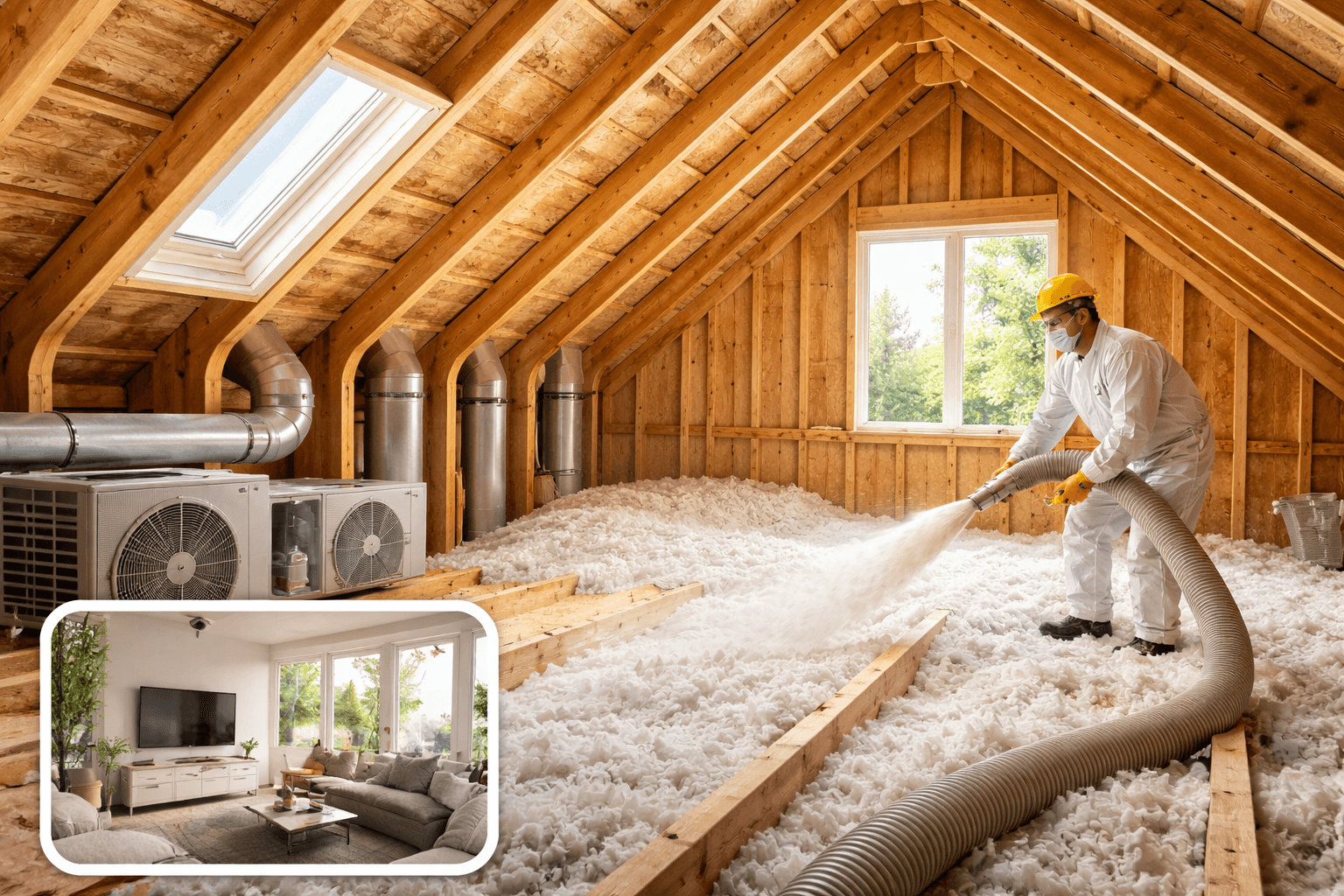
Among the many solutions available, thermal insulation stands out as one of the most effective—yet often underestimated—strategies for achieving Efficient Cooling. While advanced cooling technologies and high-performance HVAC systems receive much of the attention, their effectiveness is significantly reduced without proper insulation. Thermal insulation serves as a protective envelope for buildings, limiting heat transfer, stabilizing indoor temperatures, and preventing excessive energy loss.
By reducing the amount of heat that enters a structure, insulation allows cooling systems to operate more efficiently and with less strain. This not only enhances indoor comfort but also plays a crucial role in lowering energy consumption, reducing operational costs, and extending the lifespan of cooling equipment. In both hot and mixed climates, thermal insulation is a key contributor to consistent and Efficient Cooling performance.
Whether applied in homes, office buildings, shopping centers, or industrial facilities, proper insulation creates a controlled indoor environment that supports sustainable cooling practices. The following nine reasons highlight why thermal insulation is essential for achieving reliable, cost-effective, and Efficient Cooling across all types of buildings.
1. Reduces Heat Transfer from Outside
One of the primary functions of thermal insulation is to significantly reduce heat transfer from the external environment into a building. In hot climates or during summer months, walls, roofs, and ceilings are constantly exposed to solar radiation and high outdoor temperatures. Without adequate insulation, this heat easily penetrates the building envelope, forcing cooling systems to work continuously to maintain acceptable indoor conditions. taqa
Thermal insulation creates a thermal barrier that slows down the movement of heat through structural elements. By limiting heat gain, insulation helps preserve cooler indoor air, which is essential for maintaining Efficient Cooling throughout the day. This controlled heat flow ensures that indoor spaces remain comfortable even during peak temperature periods. insulation
By reducing external heat intrusion, insulation minimizes temperature fluctuations inside the building. As a result, air conditioning systems can operate more steadily and efficiently rather than cycling excessively to counter sudden heat increases. This stability is a key factor in achieving Efficient Cooling, particularly in large residential complexes, commercial buildings, and industrial facilities with high cooling demands. meegle
Ultimately, by preventing unwanted heat from entering the building, thermal insulation forms the foundation of Efficient Cooling strategies. It reduces energy waste, improves overall cooling performance, and creates a more comfortable and energy-efficient indoor environment.
2. Lowers Energy Consumption
Thermal insulation plays a crucial role in reducing overall energy consumption by directly improving how cooling systems operate. When a building lacks proper insulation, a significant portion of cooled air is lost through walls, roofs, and ceilings. This energy loss forces air conditioning systems to run longer and harder, consuming excessive electricity and undermining Efficient Cooling efforts.taqa
With effective thermal insulation in place, the building envelope becomes far more energy-efficient. Insulation helps retain cool air indoors while blocking external heat, reducing the need for continuous cooling cycles. As a result, cooling systems reach desired temperatures faster and maintain them with less energy input, which is essential for achieving consistent Efficient Cooling.insulation
Lower energy demand not only translates into reduced electricity bills but also less strain on power grids, especially during peak summer periods. In commercial and industrial buildings, where cooling loads are significantly higher, thermal insulation can lead to substantial energy savings while maintaining Efficient Cooling across large spaces. meegle
Over time, reduced energy consumption contributes to better system efficiency, lower operational costs, and a more sustainable approach to climate control. By minimizing energy waste and optimizing system performance, thermal insulation becomes a cornerstone of long-term Efficient Cooling strategies in modern buildings.
Learn more : 8 Ways to Reduce Energy Consumption in HVAC Systems
3. Improves Cooling System Performance
Thermal insulation does more than just block heat—it directly enhances the performance and efficiency of cooling systems. When a building is poorly insulated, HVAC units are forced to compensate for constant heat gain, which can lead to overworking, frequent cycling, and uneven cooling. This not only increases energy consumption but also reduces the overall effectiveness of the system. By contrast, proper insulation ensures that cooling systems operate under optimal conditions, which is essential for achieving Efficient Cooling.taqa
Insulation stabilizes indoor temperatures, creating a more predictable thermal environment. When heat infiltration is minimized, air conditioning units can maintain desired comfort levels without running at maximum capacity for extended periods. This steadier operation improves system performance, reduces wear and tear, and allows for more precise temperature control. In commercial and industrial settings, where large HVAC systems handle complex cooling demands, insulation can make the difference between inconsistent cooling and truly Efficient Cooling across every space.insulation
Moreover, improved cooling system performance translates into cost savings and longevity. Equipment that doesn’t need to overcompensate for heat infiltration operates more efficiently, requires less maintenance, and has a longer operational lifespan. For homeowners, business owners, and facility managers alike, thermal insulation ensures that every unit of energy used by cooling systems contributes directly to indoor comfort, rather than being wasted combating heat loss or gain.meegle
Ultimately, thermal insulation doesn’t just support Efficient Cooling—it maximizes the potential of your cooling systems, ensuring they deliver consistent, reliable, and energy-conscious performance year after year.
Learn more : 10 Ways to Improve AC Performance During Hot Summers
4. Enhances Indoor Comfort
Thermal insulation plays a vital role in creating a comfortable indoor environment, which is a central goal of Efficient Cooling. Without proper insulation, indoor spaces are prone to uneven temperatures, drafts, and hot spots caused by direct sunlight or external heat sources. These inconsistencies not only reduce comfort but also force cooling systems to work harder, leading to higher energy consumption and less effective climate control.taqa
By slowing down heat transfer, insulation helps maintain a stable and consistent indoor temperature throughout the day. This ensures that all areas of a building—whether near windows, ceilings, or exterior walls—remain equally comfortable. For large spaces such as offices, shopping centers, or industrial facilities, this uniformity is critical; it prevents areas from becoming too warm while others are overcooled, a common problem in poorly insulated buildings.insulation
In addition to temperature stability, insulation also helps reduce humidity fluctuations, which further improves comfort. High humidity can make indoor spaces feel hotter and strain cooling systems. Thermal insulation minimizes this effect, supporting a balanced indoor climate that complements Efficient Cooling strategies.meegle
Ultimately, enhancing indoor comfort through insulation means that residents, employees, and visitors experience a more pleasant environment while cooling systems operate more efficiently. By reducing the need for constant adjustments and overcooling, insulation ensures that comfort and energy efficiency go hand in hand, forming the foundation for sustainable Efficient Cooling.
5. Reduces Cooling Costs
One of the most immediate and tangible benefits of thermal insulation is its ability to reduce cooling costs. In buildings without proper insulation, air conditioning systems must operate longer and at higher capacities to maintain comfortable indoor temperatures. This not only increases electricity consumption but also drives up monthly utility bills. By contrast, a well-insulated building requires less energy to stay cool, directly lowering operational expenses and enhancing Efficient Cooling.meegle
Thermal insulation limits heat gain from external sources such as sunlight, warm air, and heat-conducting materials like roofs and walls. This means that cooling systems do not need to compensate for every heat influx, allowing them to run more efficiently and consume less energy. Over time, these savings accumulate significantly, especially in commercial buildings, industrial facilities, and large residential complexes where cooling loads are substantial.
In addition to immediate energy cost reductions, insulation contributes to long-term financial benefits. By reducing the workload on HVAC systems, it minimizes wear and tear, extends equipment lifespan, and lowers maintenance costs. The combination of lower energy bills and decreased equipment expenditures makes insulation one of the most cost-effective investments for achieving sustainable and Efficient Cooling.
Ultimately, installing thermal insulation is not just a way to improve comfort—it’s a strategic financial decision. By optimizing energy usage and enhancing system efficiency, insulation ensures that every dollar spent on cooling delivers maximum value, while maintaining consistent and reliable Efficient Cooling year after year.insulation
6. Extends the Lifespan of Cooling Equipment
Thermal insulation doesn’t just make buildings more comfortable—it also protects the very systems that provide Efficient Cooling. Air conditioning and other cooling equipment experience significant wear and tear when forced to compensate for uncontrolled heat gain. Continuous overuse, frequent cycling, and operating at high capacity can lead to premature failures, costly repairs, and the need for early replacement. Proper insulation reduces this strain, allowing equipment to operate under optimal conditions.
When insulation limits heat infiltration, cooling systems can maintain desired temperatures with fewer cycles and at lower intensity. This steady operation reduces mechanical stress on components such as compressors, fans, and coils, which are typically the most vulnerable parts of HVAC systems. Over time, this protection translates into longer-lasting equipment, lower maintenance needs, and fewer unexpected breakdowns.meegle
For businesses, industrial facilities, and even large residential properties, extending the lifespan of cooling equipment has a direct impact on operational efficiency and cost savings. It ensures that the investment in high-quality HVAC systems delivers maximum returns over time. Homeowners and facility managers alike benefit from lower replacement costs, reduced service interruptions, and more reliable Efficient Cooling throughout the building.taqa
In short, thermal insulation acts as a safeguard for both indoor comfort and the performance of cooling systems. By reducing system strain and promoting steady operation, it directly contributes to sustainable, cost-effective, and consistently Efficient Cooling.
7. Supports Sustainable and Eco-Friendly Cooling
Thermal insulation is a key component in creating buildings that are not only comfortable but also environmentally responsible. By improving the efficiency of cooling systems, insulation reduces the amount of electricity needed to maintain indoor temperatures. This, in turn, lowers greenhouse gas emissions and decreases the overall carbon footprint of a building—an essential consideration in today’s world where energy conservation and sustainability are top priorities.meegle
When a building is well-insulated, cooling systems can maintain desired indoor temperatures with minimal energy input. This enhances Efficient Cooling by ensuring that every unit of electricity contributes directly to comfort rather than being wasted on compensating for heat loss or gain. Reduced energy consumption not only saves money but also lessens reliance on fossil fuels, helping to mitigate climate change and promote a cleaner environment.
In addition, many modern building standards and green certifications, such as LEED or BREEAM, recognize the importance of thermal insulation in energy-efficient design. Insulated buildings are better positioned to meet these standards, demonstrating a commitment to sustainable practices and responsible energy use. insulation
By integrating insulation as part of a comprehensive cooling strategy, property owners and facility managers can achieve a balance between comfort, cost savings, and environmental responsibility. Thermal insulation ensures that cooling systems operate efficiently while minimizing their ecological impact, making it a cornerstone of both Efficient Cooling and sustainable building design.taqa
8. Improves Building Energy Ratings
Thermal insulation plays a critical role in enhancing a building’s overall energy performance, which is closely tied to the concept of Efficient Cooling. Buildings that are properly insulated lose less energy through walls, roofs, and floors, allowing cooling systems to operate more effectively and with reduced energy consumption. This efficiency is a key factor in achieving higher energy ratings, which are increasingly required by modern building codes and energy certification programs.
High energy ratings not only demonstrate compliance with local and international efficiency standards but also add tangible value to the property. For homeowners, energy-efficient buildings translate into lower utility bills and more comfortable living spaces. For commercial and industrial facilities, improved ratings can enhance marketability, attract environmentally conscious tenants or clients, and even provide financial incentives such as tax breaks or reduced insurance premiums.taqa
By reducing heat transfer and optimizing the performance of cooling systems, insulation ensures that energy used for Efficient Cooling is not wasted. This creates a measurable impact on energy efficiency scores, helping buildings meet and exceed regulatory requirements. Furthermore, the combination of reduced energy consumption and enhanced cooling performance contributes to long-term sustainability goals, reinforcing a building’s reputation as environmentally responsible and technologically advanced.
In summary, thermal insulation not only supports Efficient Cooling but also strengthens a building’s energy profile, ensuring compliance, reducing operational costs, and increasing overall value.meegle
9. Works Effectively with Modern Cooling Technologies
In today’s world, advanced cooling solutions such as smart HVAC systems, inverter air conditioners, and zoned climate control systems are becoming standard in both residential and commercial buildings. While these technologies are designed for optimal performance, their efficiency is heavily dependent on the building’s thermal properties. This is where thermal insulation plays a critical role in supporting Efficient Cooling.
Proper insulation ensures that modern cooling systems can operate under ideal conditions, without constantly compensating for heat entering from outside. For example, a smart HVAC system can regulate temperature more precisely and respond dynamically to occupancy or weather changes, but only if the building envelope prevents excessive heat gain. Without insulation, even the most advanced systems must work harder, consuming more energy and reducing overall efficiency.meegle
Furthermore, insulation complements energy-saving technologies such as heat pumps and energy recovery ventilation. By minimizing unwanted heat transfer, it allows these systems to maintain desired indoor conditions more effectively, enhancing both comfort and energy efficiency. This synergy between thermal insulation and modern cooling technologies ensures that every kilowatt of energy is used productively, maximizing Efficient Cooling while minimizing costs and environmental impact.
Ultimately, thermal insulation is not just a passive building feature—it is an active partner in modern cooling strategies. By working hand-in-hand with advanced technologies, it enables reliable, sustainable, and high-performance Efficient Cooling across all types of buildings, from homes and offices to large-scale industrial facilities.taqa
Conclusion
Thermal insulation is far more than a construction detail—it is a cornerstone of achieving consistent, reliable, and Efficient Cooling. From reducing external heat transfer and lowering energy consumption to improving system performance and extending equipment lifespan, insulation provides a comprehensive range of benefits for residential, commercial, and industrial buildings.
By stabilizing indoor temperatures, reducing strain on cooling systems, and enabling advanced technologies to perform at their best, insulation ensures that every unit of energy contributes directly to comfort and efficiency. It also supports cost savings, sustainable practices, and improved building energy ratings, making it a critical investment for both short-term performance and long-term value.
In an era of rising energy costs, extreme weather conditions, and increasing environmental awareness, thermal insulation is an essential strategy for anyone seeking to maximize Efficient Cooling. Properly insulated buildings not only provide a comfortable indoor environment but also contribute to energy efficiency, environmental responsibility, and operational savings—proving that insulation is not just an option, but a necessity for modern cooling solutions.
