

Modern living requires more than just basic temperature control—residents and businesses increasingly demand comfort, energy efficiency, and intelligent climate management. HVAC systems have evolved significantly, moving far beyond their traditional heating and cooling roles. Today’s advanced HVAC systems integrate cutting-edge technology, smart automation, and energy-saving features to create healthier, more comfortable, and highly efficient indoor environments.
By leveraging intelligent sensors, smart thermostats, and IoT-enabled connectivity, modern HVAC systems allow homeowners and facility managers to monitor and optimize climate conditions in real time. These innovations not only enhance comfort but also reduce energy consumption and improve air quality, making them a vital component of any contemporary building.
In this article, we will explore five ways modern HVAC systems are blending comfort with technology, transforming how we experience indoor spaces while ensuring sustainability, convenience, and long-term efficiency.
Table of Contents
1. Smart Thermostats for Personalized Comfort
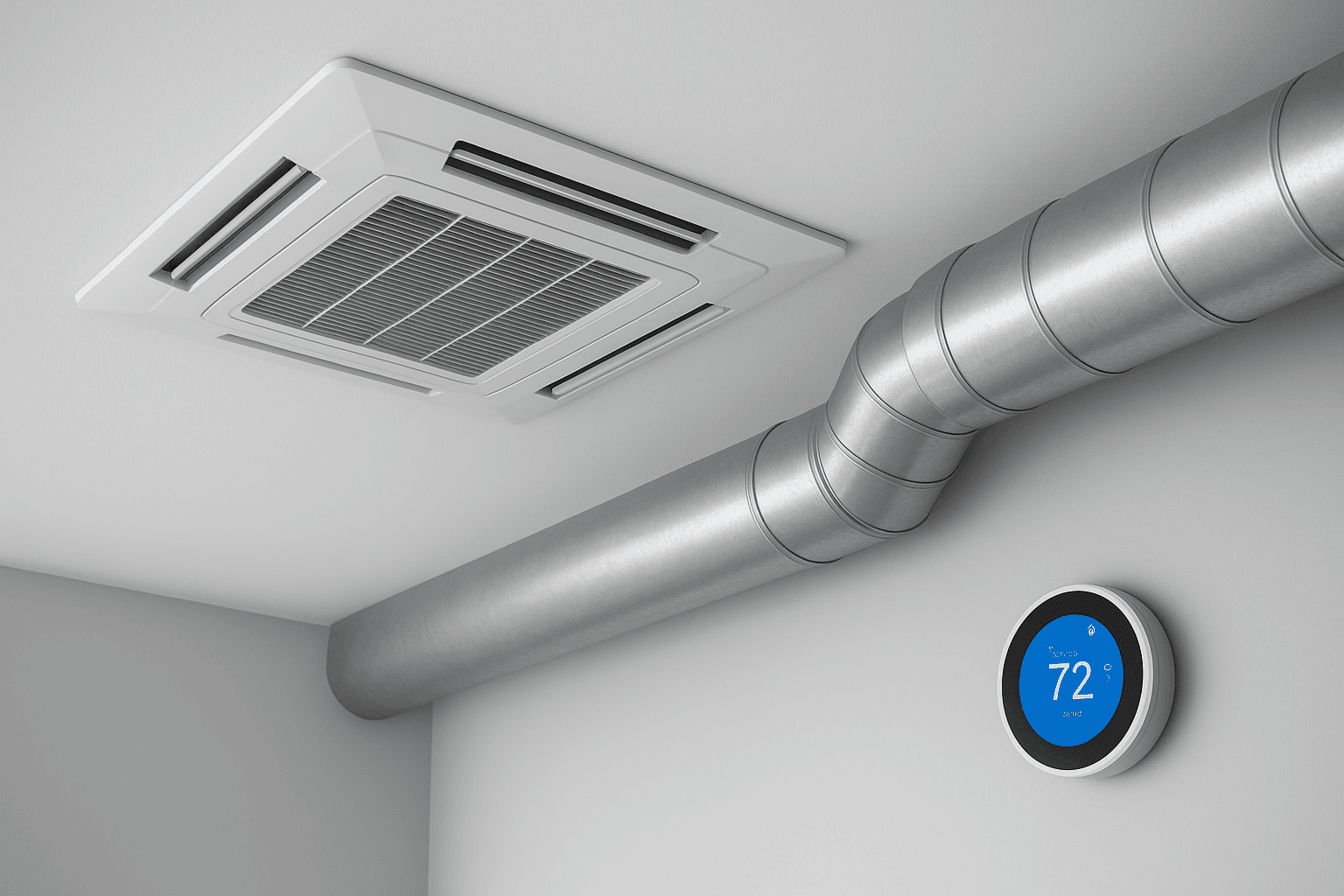
One of the most transformative innovations in modern HVAC systems is the integration of smart thermostats. Unlike traditional thermostats, these intelligent devices offer precise control over heating and cooling, allowing users to adjust temperature settings remotely via smartphones, tablets, or voice-controlled assistants.
Smart thermostats in HVAC systems go beyond simple temperature regulation—they learn user habits over time. By analyzing daily routines, occupancy patterns, and even weather forecasts, these devices automatically adjust temperatures to maximize comfort while minimizing energy consumption. This personalized approach ensures that indoor environments remain consistently comfortable without unnecessary energy waste.
Key Benefits of Smart Thermostats in HVAC Systems:
- Personalized Comfort: Modern HVAC systems with smart thermostat technology can automatically create customized temperature schedules tailored to individual or family routines. By learning daily habits and occupancy patterns, these systems ensure that every room maintains optimal comfort throughout the day without requiring constant manual adjustments.
Remote Access: Advanced HVAC systems offer remote control capabilities via smartphones, tablets, or voice assistants. This allows homeowners to adjust heating and cooling settings from anywhere, ensuring a comfortable environment is ready before they even arrive home. Remote access also provides convenience for property managers and business owners, enabling centralized climate control across multiple locations.
Energy Efficiency: By intelligently optimizing operation based on usage patterns, weather conditions, and real-time energy consumption, smart HVAC systems help reduce overall energy usage. This not only lowers utility bills—sometimes by up to 20%—but also promotes sustainable energy practices while maintaining consistent indoor comfort.
By integrating smart thermostats, modern HVAC systems not only improve convenience and comfort but also promote sustainable energy practices. Homeowners and businesses alike can enjoy a climate-controlled environment that is smarter, more efficient, and perfectly aligned with their lifestyle.n a detailed review of energy‑efficient HVAC systems technologies for sustainable buildings, it is noted that these systems play a “critical role in reducing energy consumption, minimizing environmental impact, and enhancing occupant comfort and well‑being.” ResearchGate+1
2. Energy Efficiency and Eco-Friendly Design
Sustainability has become a top priority in modern construction, renovation, and building management. Today’s HVAC systems are engineered to meet these demands, focusing on energy efficiency, environmental responsibility, and long-term performance. By incorporating advanced compressors, variable-speed fans, and eco-friendly refrigerants, modern HVAC systems deliver optimal climate control while minimizing energy waste.
Many modern HVAC systems are equipped with real-time energy monitoring and smart performance optimization. These features allow the system to adjust operation based on occupancy, outdoor temperature, and energy usage patterns, ensuring maximum efficiency without compromising comfort.
Eco-Friendly Advantages of Modern HVAC Systems:
- Reduced Energy Consumption: Modern HVAC systems are engineered with advanced design features and intelligent operation that significantly lower electricity usage. By optimizing heating and cooling cycles and responding to real-time environmental conditions, these systems help homeowners and businesses reduce utility bills while maintaining consistent comfort throughout the year.
Lower Carbon Footprint: Eco-conscious materials, energy-efficient components, and environmentally friendly refrigerants in today’s HVAC systems contribute to a reduced carbon footprint. These sustainable practices not only help buildings comply with green building standards and certifications but also support global efforts to minimize environmental impact.
Extended System Lifespan: High-efficiency components in modern HVAC systems reduce wear and tear on critical parts, ensuring reliable and consistent performance over many years. Regular monitoring and intelligent operation prevent unnecessary strain on the system, extending its lifespan and reducing long-term replacement and maintenance costs.
With these innovations, energy-conscious homeowners and businesses can enjoy a comfortable indoor environment while supporting sustainability. Modern HVAC systems make it possible to balance comfort, efficiency, and eco-friendly design, turning climate control into a smarter, greener solution.
3. Enhanced Air Quality and Purification
Modern HVAC systems go far beyond simply regulating temperature—they are increasingly designed to improve indoor air quality, creating healthier and safer environments for occupants. Advanced units now come equipped with HEPA filters, UV-C light purification, and humidity sensors that work together to reduce pollutants, allergens, and harmful pathogens. By continuously monitoring indoor air, many modern HVAC systems can automatically adjust airflow and filtration settings to maintain optimal air quality levels.
Indoor air quality has become a major concern for both residential and commercial spaces. Poor air circulation or contaminated air can exacerbate allergies, respiratory issues, and general discomfort. By integrating advanced purification technology, HVAC systems ensure that every breath taken indoors is cleaner and safer.
Key Benefits of Air Quality-Focused HVAC Systems:
- Cleaner and Healthier Air: Modern HVAC systems are equipped with advanced HEPA filters and UV-C light purification technologies that effectively remove dust, pollen, bacteria, and viruses from indoor air. These features ensure that the air circulating throughout homes or commercial spaces is clean, fresh, and safe for occupants.
- Allergen and Pathogen Reduction: By continuously monitoring indoor air quality, advanced HVAC systems can detect and minimize the presence of allergens, microbes, and other harmful contaminants. This proactive approach helps maintain a healthier indoor environment and reduces potential respiratory issues for residents or employees.
- Optimal Humidity Control: Built-in sensors in modern HVAC systems regulate indoor humidity levels, maintaining a balanced and comfortable environment. Proper humidity control prevents mold growth, protects furnishings and electronics, and enhances overall comfort throughout the year.erall comfort.
With these features, modern HVAC systems not only provide thermal comfort but also prioritize occupant health. By improving indoor air quality, these systems create a safer, more comfortable, and more productive living and working environment, making them an essential investment for any building.
4. Integration with Smart Home Ecosystems
Modern HVAC systems are no longer standalone appliances—they are now a central component of fully connected smart homes. By integrating with lighting, security, and energy management systems, these advanced HVAC systems can deliver automation that enhances both convenience and efficiency. For instance, smart integration allows the system to automatically adjust temperature settings when the house is empty, when occupants return, or in response to changing outdoor weather conditions.
The synergy between HVAC systems and smart home technologies not only improves energy management but also ensures a consistently comfortable environment. Homeowners can control multiple systems through a single interface, whether via a smartphone app, tablet, or voice assistant, eliminating the need for separate controls.
Key Benefits of Smart Home Integration in HVAC Systems:
- Centralized Control: Modern HVAC systems integrated with smart home technology allow homeowners and facility managers to manage heating, cooling, lighting, and even security systems from a single, unified platform. This centralization simplifies home or building management, providing complete oversight and control of multiple systems simultaneously.
- Automated Comfort: Advanced HVAC systems can automatically adjust temperature, airflow, and humidity based on occupancy, daily routines, or environmental conditions. This intelligent automation ensures optimal comfort at all times while reducing energy waste, delivering a seamless and efficient indoor climate experience.
- Enhanced Convenience: With voice command compatibility and mobile app control, HVAC systems provide real-time adjustments from anywhere. Whether at home, in the office, or on the go, users can effortlessly modify settings, monitor performance, and ensure consistent comfort without manual intervention.
By connecting to smart home ecosystems, modern HVAC systems evolve from simple climate regulators into intelligent, adaptive components of the home. This integration allows homeowners to enjoy smarter energy management, optimized comfort, and unprecedented convenience, all while reducing energy costs and environmental impact.
read more:The Benefits of Installing a Smart Thermostat for Your HVAC System
5. Predictive Maintenance Through AI and IoT
Maintenance is a critical component of any HVAC system, and modern technology has revolutionized how it is performed. Today’s advanced HVAC systems are equipped with smart sensors, artificial intelligence (AI), and Internet of Things (IoT) connectivity, allowing them to predict potential issues before they escalate into costly problems. By continuously monitoring performance metrics—such as airflow, temperature consistency, and energy consumption—these systems can detect anomalies early and alert homeowners or facility managers in real time.
Many modern HVAC systems go a step further by automatically scheduling professional maintenance or notifying service providers when intervention is needed. This predictive approach minimizes downtime, reduces emergency repairs, and ensures the system operates at peak efficiency year-round.
Key Advantages of Predictive Maintenance in HVAC Systems:
- Fewer Unexpected Breakdowns: Modern HVAC systems equipped with predictive maintenance technologies can detect potential issues long before they escalate into major problems. Early detection of anomalies in temperature regulation, airflow, or energy consumption helps prevent sudden system failures, ensuring uninterrupted comfort and avoiding costly emergency repairs.
- Extended Equipment Lifespan: Continuous monitoring and timely interventions allow HVAC systems to operate at optimal levels, significantly reducing wear and tear on critical components. By addressing minor issues proactively, these systems maintain peak performance over time, extending the lifespan of both individual units and the overall system.
- Lower Long-Term Costs: Proactive maintenance in HVAC systems minimizes the need for emergency repairs, reducing unplanned expenses. By ensuring efficient operation, these systems also lower energy consumption and operational costs, providing long-term financial benefits while maintaining a reliable, comfortable indoor environment.al expenses.
By incorporating AI and IoT technologies, modern HVAC systems not only maintain consistent comfort but also enhance reliability and efficiency. Predictive maintenance transforms climate control from a reactive necessity into a proactive, intelligent solution for homes and businesses alike.
read more :How to Improve Indoor Air Quality with Your HVAC System.
Conclusion
Modern HVAC systems have completely transformed the way we experience indoor environments, turning climate control into a smart, efficient, and health-focused solution. Today’s advanced HVAC systems combine a wide range of technologies—from smart thermostats and energy-efficient components to air quality monitoring, smart home integration, and predictive maintenance—creating a seamless balance between comfort, convenience, and sustainability.
By leveraging these innovations, homeowners and businesses can enjoy precise temperature control, cleaner air, and reduced energy consumption, all while minimizing maintenance costs. Modern These systems also integrate effortlessly with broader smart home ecosystems, enabling automated adjustments and remote control for maximum efficiency and user convenience.
Investing in advanced HVAC systems is no longer just about heating or cooling—it is about creating a smarter, healthier, and more efficient living or working environment. Whether for residential properties, office buildings, or commercial spaces, these systems deliver long-term value by enhancing comfort, supporting sustainability, and ensuring reliable performance year-round.
With the ongoing advancements in technology, modern These systems continue to redefine indoor comfort, offering an intelligent, energy-conscious solution that meets the demands of contemporary life.
