


Table of Contents
As climate concerns continue to intensify across the globe, the way we heat and cool our homes and commercial spaces has come under increasing scrutiny. Buildings account for a significant portion of global energy consumption, and a large share of that energy is used for climate control. As governments, businesses, and homeowners look for practical ways to reduce environmental impact, improving heating and cooling efficiency has become a critical priority. In this context, investing in Modern HVAC technology is no longer viewed as a simple comfort upgrade—it has become a meaningful step toward environmental responsibility and long-term sustainability.
Unlike older systems that were designed primarily for basic temperature control, Modern HVAC solutions are built with energy intelligence, precision engineering, and environmental performance in mind. These systems use advanced compressors, variable-speed motors, smart thermostats, and high-efficiency components to ensure that energy is used only when and where it is truly needed. Instead of running at full capacity regardless of demand, Modern HVAC equipment adjusts output dynamically, reducing unnecessary power consumption and limiting strain on electrical grids.
Beyond energy savings, Modern HVAC systems are engineered to reduce harmful emissions and support cleaner air both indoors and outdoors. Many new systems utilize refrigerants with lower global warming potential, while improved combustion efficiency in heating units minimizes carbon dioxide output. At the same time, enhanced filtration and ventilation technologies help remove pollutants, allergens, and airborne particles, creating healthier indoor environments without increasing environmental burden.
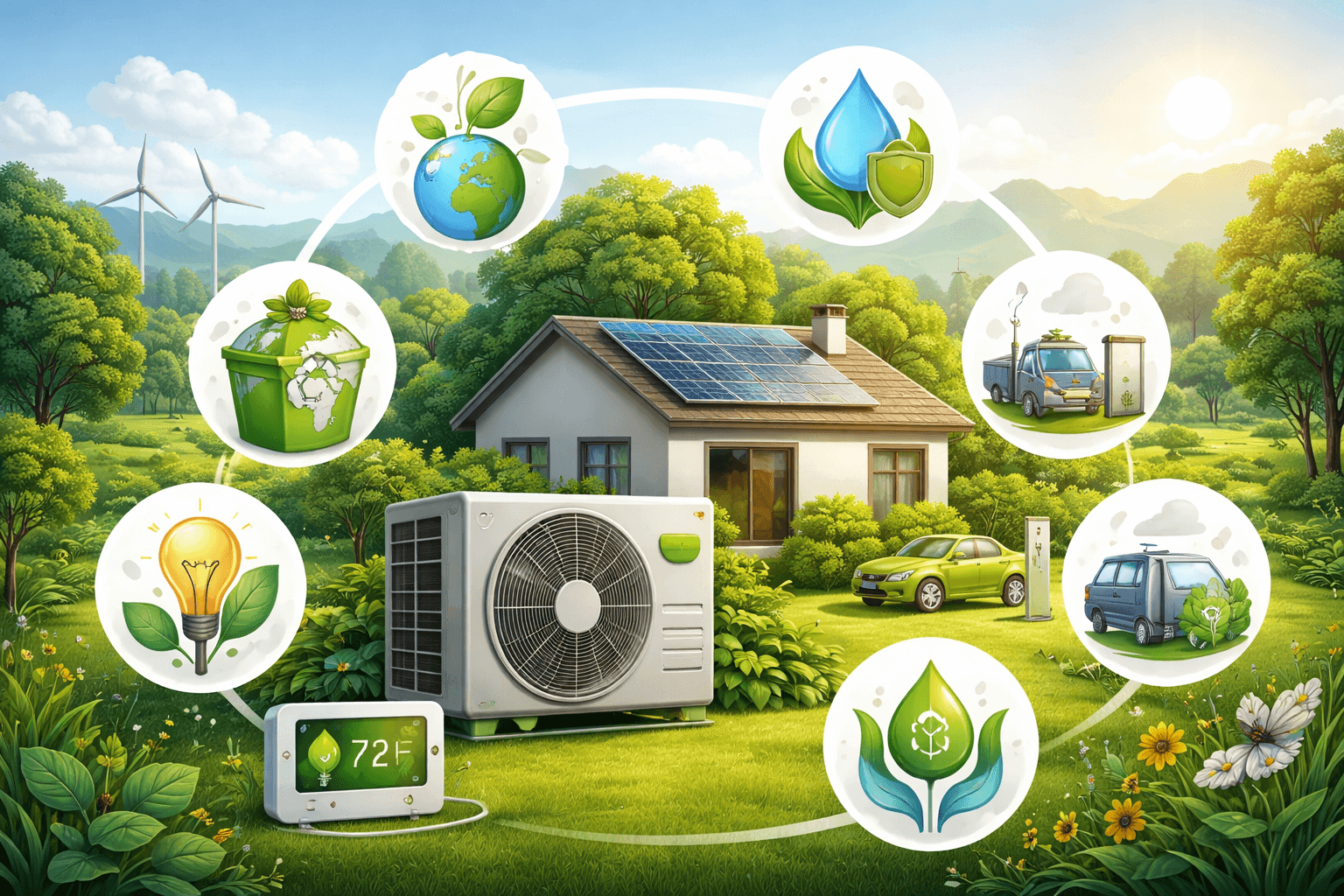
Another key advantage of Modern HVAC technology lies in its integration capabilities. These systems can connect seamlessly with smart home platforms and renewable energy sources such as solar panels, allowing buildings to operate more efficiently and sustainably. By optimizing performance in real time and leveraging cleaner energy inputs, Modern HVAC systems contribute to a measurable reduction in overall carbon footprints.
In short, upgrading to a Modern HVAC system represents a strategic environmental decision. It supports energy conservation, lowers greenhouse gas emissions, improves indoor air quality, and aligns with global sustainability goals. Below are eight powerful environmental benefits that clearly demonstrate why transitioning to Modern HVAC technology is one of the smartest investments for a greener future.
1. Reduced Energy Consumption
One of the most impactful environmental advantages of upgrading to a Modern HVAC system is the significant reduction in energy consumption. Traditional heating and cooling systems often operate using single-speed motors that function at full capacity whenever they are turned on. This outdated approach leads to frequent cycling, unnecessary power usage, and substantial energy waste. In contrast, Modern HVAC systems are designed with advanced variable-speed compressors and intelligent control mechanisms that allow them to adjust output based on real-time indoor conditions. superiormsi
Rather than simply switching on and off, a Modern HVAC system continuously monitors temperature, humidity levels, and occupancy patterns. It then modulates performance to maintain precise comfort levels using only the energy required at that moment. This dynamic operation eliminates the energy spikes associated with constant cycling and dramatically improves overall system efficiency.
Additionally, many Modern HVAC units are built to meet or exceed high Seasonal Energy Efficiency Ratio (SEER) and Annual Fuel Utilization Efficiency (AFUE) ratings. These higher performance standards translate directly into lower electricity and fuel consumption. Over time, reduced demand for energy not only lowers utility bills for homeowners and businesses but also decreases the strain on local and national power grids.
Lower energy demand has a cascading environmental effect. When buildings consume less electricity, power plants burn fewer fossil fuels, resulting in reduced carbon dioxide and greenhouse gas emissions. On a large scale, widespread adoption of Modern HVAC technology can meaningfully contribute to national energy conservation goals and climate change mitigation efforts.
In essence, improved energy efficiency is at the core of Modern HVAC innovation. By delivering precise climate control while minimizing wasted power, these systems create a powerful balance between comfort and sustainability—proving that environmental responsibility and performance can work hand in hand.
Learn more :8 Ways to Reduce Energy Consumption in HVAC Systems
2. Lower Greenhouse Gas Emissions
A major environmental benefit of a Modern HVAC system is its ability to significantly reduce greenhouse gas emissions. Traditional heating and cooling systems often rely on older refrigerants and inefficient energy use, which contributes to higher levels of carbon dioxide (CO₂) and other greenhouse gases being released into the atmosphere. In contrast, Modern HVAC technology combines energy efficiency with environmentally friendly refrigerants to minimize this impact.
Many contemporary systems use refrigerants with a much lower Global Warming Potential (GWP) than older chemicals, helping to limit their contribution to climate change in the event of leaks. Furthermore, the precise control mechanisms in Modern HVAC units ensure that energy is consumed only when needed, which indirectly reduces emissions from power plants that generate electricity through fossil fuels. hvacinformed
In addition, some Modern HVAC systems incorporate advanced heat pump technology, which can provide both heating and cooling more efficiently than traditional furnaces or air conditioners. Heat pumps transfer heat rather than generate it through combustion, which dramatically cuts the production of CO₂ and other pollutants.
By investing in a Modern HVAC system, homeowners and businesses not only reduce their energy bills but also play a critical role in decreasing their carbon footprint. On a global scale, widespread adoption of Modern HVAC technology can contribute to the reduction of greenhouse gas emissions, supporting international climate goals and helping to combat global warming.
In short, a Modern HVAC system combines smarter energy use and cleaner refrigerants, making it a powerful tool for lowering greenhouse gas emissions while maintaining optimal indoor comfort.
3. Improved Air Quality
Another significant environmental and health benefit of a Modern HVAC system is its ability to improve indoor air quality. Unlike older systems that simply circulate air without adequate filtration, Modern HVAC units are equipped with advanced filtration technologies designed to capture dust, pollen, allergens, and other airborne pollutants. High-efficiency particulate air (HEPA) filters, electrostatic filters, and multi-stage filtration systems remove microscopic contaminants, ensuring cleaner, healthier air for occupants.
Modern HVAC systems also incorporate enhanced ventilation strategies that balance airflow and maintain proper humidity levels. Excess moisture can lead to mold growth, while stagnant air can concentrate pollutants—both of which have negative environmental and health implications. By regulating humidity and introducing fresh outdoor air, Modern HVAC systems prevent these problems, creating a more sustainable and comfortable indoor environment. meegle
Additionally, better air quality has indirect environmental benefits. When buildings maintain cleaner indoor air, occupants are less likely to require additional appliances such as standalone air purifiers or humidifiers, which consume extra energy. In this way, Modern HVAC systems not only protect human health but also reduce overall energy consumption and environmental impact.
In essence, investing in a Modern HVAC system goes beyond temperature control—it promotes cleaner, safer air, supports occupant health, and contributes to a more environmentally responsible building operation.
Learn more : 12 Ways to Improve Indoor Air Quality with a Professional AC Contractor
4. Smart Energy Optimization
One of the standout features of Modern HVAC systems is their ability to optimize energy usage intelligently, offering both environmental and financial benefits. Unlike traditional heating and cooling units that operate on fixed schedules or simple thermostatic controls, Modern HVAC systems are integrated with advanced smart technologies, including programmable thermostats, occupancy sensors, and real-time monitoring systems. These innovations allow the system to learn user behaviors and adjust operations automatically, ensuring that energy is only consumed when necessary. callidusair
For example, a Modern HVAC system can detect when a room is unoccupied and reduce heating or cooling output accordingly. It can also anticipate peak energy demands and modulate performance to avoid energy spikes, which not only conserves electricity but also helps prevent overloading the local power grid. In commercial settings, this capability can lead to substantial reductions in energy consumption across large buildings, while in residential homes, it ensures comfort without wasting resources.
Moreover, many Modern HVAC systems can be connected to mobile apps or home automation platforms, giving users remote control and real-time energy usage data. This transparency encourages more sustainable habits, such as adjusting temperature settings during peak hours or programming energy-saving modes during periods of low occupancy.
The environmental impact of this smart energy optimization is significant. By ensuring that heating and cooling are delivered efficiently and only when required, Modern HVAC systems reduce unnecessary energy consumption, which in turn lowers greenhouse gas emissions from power generation. This intelligent approach to climate control demonstrates that comfort and sustainability can coexist, allowing homeowners and businesses to enjoy ideal indoor conditions while contributing to a greener, more energy-conscious world.
In short, smart energy optimization in Modern HVAC systems represents a major step forward in sustainable building design, combining automation, efficiency, and environmental responsibility in a single, cohesive solution.
5. Enhanced System Longevity
A less obvious—but equally important—environmental benefit of a Modern HVAC system lies in its durability and extended lifespan. Unlike older units that often wear out quickly due to inefficient design, frequent cycling, or inferior materials, Modern HVAC systems are engineered with high-quality components, precision manufacturing, and advanced monitoring technologies that maximize operational longevity.thebeehvac
Modern HVAC systems are equipped with features such as variable-speed compressors, corrosion-resistant coils, and self-diagnostic sensors that detect potential issues before they escalate into major problems. This proactive design reduces the likelihood of breakdowns and ensures that the system operates efficiently over many years. Extended system longevity has direct environmental implications: fewer replacements mean less manufacturing demand, reduced transportation emissions, and decreased waste in landfills from discarded equipment.
Additionally, the maintenance of a Modern HVAC system is simplified through predictive maintenance technology. Sensors can monitor performance metrics in real-time and alert users or service technicians to needed adjustments, reducing unnecessary servicing visits and preventing energy waste caused by improperly functioning components.
By investing in a Modern HVAC system, homeowners and businesses benefit from reliable climate control while minimizing environmental costs associated with production, shipping, and disposal of multiple older units over time. In essence, the longer a Modern HVAC system remains in operation, the greater its cumulative environmental advantage, making durability a key factor in sustainable building practices.
In short, enhanced system longevity not only protects your investment but also supports a greener future by reducing waste, conserving resources, and ensuring consistent energy-efficient performance over many years.
6. Integration with Renewable Energy
A major environmental advantage of Modern HVAC systems is their compatibility with renewable energy sources, which allows buildings to significantly reduce their reliance on fossil fuels. Unlike traditional HVAC units that operate solely on electricity or natural gas from conventional grids, many Modern HVAC systems—especially heat pumps—can be seamlessly integrated with solar panels, wind energy systems, or other green power solutions. thayerac
This integration enables homeowners and businesses to harness clean, renewable energy for heating and cooling, dramatically lowering carbon emissions. For example, a solar-powered Modern HVAC system can use energy generated on-site during the day to maintain indoor comfort without drawing electricity from the grid, while excess energy can even be stored or fed back to the grid.
In addition, Modern HVAC systems with smart controls can optimize the use of renewable energy in real-time, adjusting heating and cooling cycles based on solar production or time-of-use electricity pricing. This ensures maximum efficiency while reducing dependence on non-renewable energy sources.
By combining Modern HVAC technology with renewable energy, buildings can move closer to carbon-neutral operation. This not only supports environmental sustainability but also contributes to long-term cost savings, reduced energy bills, and compliance with evolving green building standards.
In essence, the integration of Modern HVAC systems with renewable energy solutions represents a powerful synergy—providing efficient climate control while actively supporting a cleaner, more sustainable energy future.meegle
7. Reduced Water Usage
An often-overlooked environmental benefit of a Modern HVAC system is its potential to conserve water. Traditional cooling systems, especially older evaporative units and some air conditioners, can consume large amounts of water to operate efficiently. In contrast, many Modern HVAC systems are designed with advanced water management technologies that optimize usage and minimize waste.
For example, modern cooling towers and evaporative cooling systems are equipped with features that recycle condensate water, reduce unnecessary discharge, and monitor water levels to ensure only the required amount is used. Some units even capture and reuse moisture generated during the cooling process, further reducing water consumption. This is particularly important in regions facing water scarcity, where every gallon saved contributes to broader environmental sustainability.hvacinformed
In addition, precise climate control in Modern HVAC systems helps maintain optimal indoor humidity without over-reliance on water-based cooling methods. By regulating both temperature and humidity efficiently, these systems can provide comfort while using less water compared to older, less sophisticated units.
By reducing water usage, Modern HVAC systems not only support environmental conservation but also decrease the energy required to pump, treat, and distribute water. This creates a dual environmental benefit: conserving a vital resource while lowering energy consumption and associated emissions.
In short, Modern HVAC technology goes beyond energy efficiency and air quality improvements—it also helps preserve precious water resources, demonstrating a comprehensive approach to environmental responsibility.
8. Support for Sustainable Building Standards
Another significant environmental benefit of a Modern HVAC system is its role in helping buildings achieve sustainable and green building certifications, such as LEED (Leadership in Energy and Environmental Design) and other eco-friendly benchmarks. Modern HVAC technology provides highly efficient heating, cooling, and ventilation solutions that contribute directly to a building’s overall energy performance, a key criterion in sustainable construction standards.
By reducing energy consumption, lowering greenhouse gas emissions, and improving indoor air quality, Modern HVAC systems make it easier for developers and property owners to meet stringent sustainability requirements. In addition, these systems can be integrated with renewable energy sources, smart building controls, and water-efficient technologies, further enhancing a building’s environmental performance.
Supporting sustainable building standards not only benefits the environment but also provides financial and social advantages. Certified green buildings often enjoy lower operating costs, increased market value, and improved occupant satisfaction. Moreover, meeting these standards demonstrates a commitment to environmental responsibility, helping organizations align with global sustainability goals and regulatory compliance. superiormsi
In essence, a Modern HVAC system is more than just a climate control solution—it is a central component of sustainable building design. By incorporating advanced efficiency, renewable energy integration, and intelligent controls, Modern HVAC systems play a pivotal role in creating environmentally responsible, high-performance buildings for the future.
Conclusion
The environmental impact of heating and cooling systems extends far beyond simple energy bills. Upgrading to a Modern HVAC system offers a comprehensive approach to sustainability, combining energy efficiency, reduced greenhouse gas emissions, improved air quality, and water conservation. With smart energy optimization, integration with renewable energy, and enhanced system longevity, Modern HVAC technology enables both residential and commercial spaces to operate more responsibly and sustainably.
Moreover, Modern HVAC systems support green building standards, helping properties achieve certifications and demonstrating a commitment to environmental stewardship. By investing in a Modern HVAC system, homeowners and businesses not only enjoy superior comfort and performance but also contribute to a greener, cleaner, and more sustainable future.
Ultimately, Modern HVAC solutions prove that comfort and environmental responsibility can go hand in hand—making them an essential choice for anyone looking to reduce their ecological footprint while maintaining optimal indoor living and working conditions.
