

Table of Contents
Rising energy costs have become an increasingly pressing concern for homeowners and businesses alike. As utility bills continue to climb, finding effective ways to maintain comfort without overspending has never been more important. Fortunately, Smart Heating Solutions provide a practical and efficient approach to managing energy usage while keeping your home or office consistently warm and inviting. These advanced systems combine cutting-edge technology with energy-conscious practices, allowing you to optimize heating, reduce waste, and ultimately save money throughout the year.
Unlike traditional heating methods, which often operate on fixed schedules or manual controls, Smart Heating Solutions are designed to adapt to your lifestyle. They can learn your daily routines, respond to changing weather conditions, and provide detailed insights into your energy consumption, empowering you to make smarter decisions about how and when to heat your space. The result is a system that not only keeps you comfortable but also minimizes unnecessary energy expenditure.
In this comprehensive guide, we will explore 11 actionable steps that homeowners and businesses can implement to reduce energy bills using Smart Heating Solutions. From upgrading your thermostat to leveraging smart home integrations and optimizing heating zones, each step is designed to maximize efficiency and provide measurable savings. Whether you’re looking to lower costs this winter or invest in long-term energy efficiency, these strategies will help you harness the full potential of smart heating technology.
1. Upgrade to a Smart Thermostat
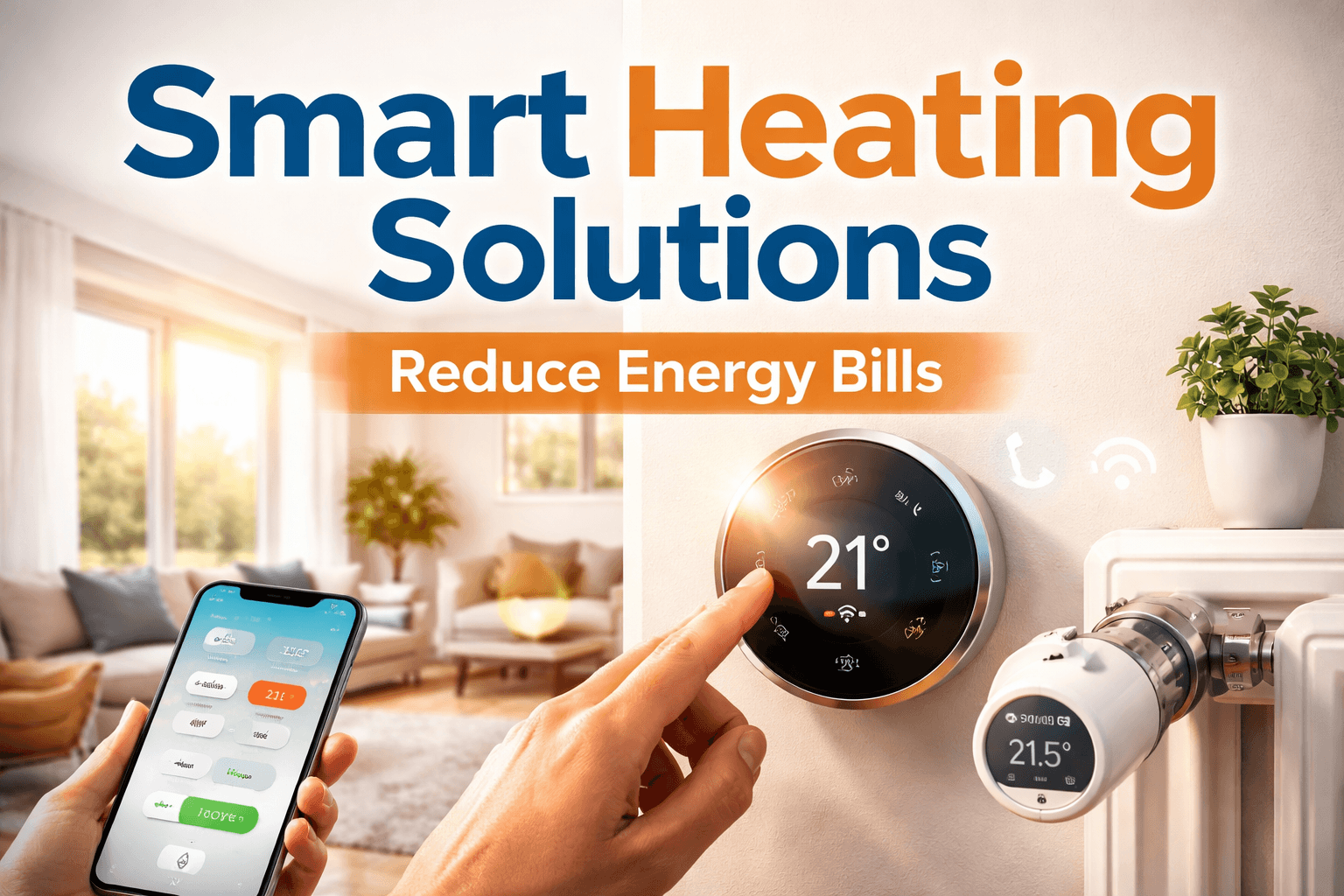
One of the most impactful steps in reducing your energy bills is upgrading from a traditional thermostat to a smart thermostat, a cornerstone of effective Smart Heating Solutions. Unlike conventional thermostats that maintain a single temperature throughout the day, smart thermostats are designed to learn your habits, adapt to your schedule, and provide precise control over your home or office heating. This advanced level of automation ensures that your heating system operates only when needed, significantly reducing unnecessary energy consumption. autarc
With a smart thermostat, you can set different temperature zones for specific times of the day, such as lowering the heat during work hours or overnight while you sleep. Many devices also feature intuitive mobile apps, allowing you to adjust the temperature remotely from your smartphone or tablet. This means you can return to a warm home after a long day without leaving the heating running all day, avoiding wasted energy and reducing your bills.
Additionally, smart thermostats are often integrated with broader Smart Heating Solutions, enabling them to communicate with other smart devices in your home, such as window sensors or smart plugs. This interconnected approach ensures that your heating system responds intelligently to real-time conditions—for instance, reducing output when a window is open or when a room is unoccupied. Over time, the thermostat can even analyze your energy usage patterns and suggest adjustments to maximize efficiency, giving you both comfort and cost savings in one convenient package.
Investing in a smart thermostat may require an initial upfront cost, but the long-term savings on your energy bills, combined with the enhanced comfort and control, make it one of the most effective first steps toward a more energy-efficient home or office. By making this upgrade, you lay the foundation for a fully optimized Smart Heating Solution that works seamlessly to reduce energy waste while maintaining the perfect indoor environment.
2. Optimize Your Heating Schedule
Even with the most advanced Smart Heating Solutions, simply installing a smart thermostat or heating system isn’t enough to maximize energy savings. One of the most effective strategies is to optimize your heating schedule to match your daily routines and household or office needs. By carefully planning when and where heat is used, you can significantly reduce energy waste while maintaining comfort.
Smart thermostats, as part of a broader Smart Heating Solution, allow you to set customized heating schedules that automatically adjust the temperature throughout the day. For example, you can program your system to lower the heat during the hours when your home or office is empty, and gradually increase it shortly before you return. Similarly, nighttime settings can be optimized by reducing the temperature while you sleep, since lower nighttime temperatures are generally more energy-efficient and often healthier for rest. autarc
Many modern smart heating devices also learn your behavior over time, analyzing when rooms are typically occupied and making intelligent adjustments without requiring constant input. This adaptive learning ensures that your heating system operates only when necessary, preventing energy from being wasted on empty rooms or during off-hours.
Additionally, integrating scheduling with other components of your Smart Heating Solutions, such as smart radiator valves or zone-based controls, enhances efficiency even further. By coordinating heating schedules with specific zones, you ensure that energy is distributed exactly where it’s needed, rather than heating the entire property uniformly. This not only reduces your energy bills but also improves comfort by maintaining consistent temperatures in frequently used areas.
Regularly reviewing and fine-tuning your heating schedule is key to sustaining savings. Seasonal changes, new routines, or even changes in occupancy patterns can affect heating needs, so a flexible and adaptive schedule is essential for ongoing efficiency. By taking full advantage of scheduling features in Smart Heating Solutions, you can achieve a perfect balance of comfort, convenience, and cost savings.
3. Zone Your Heating System
One of the most efficient ways to reduce energy bills while maximizing comfort is to zone your heating system. Rather than heating your entire home or office uniformly, zoning allows you to divide your property into separate areas, or “zones,” each with independent temperature controls. This strategy is a key feature of advanced Smart Heating Solutions and can dramatically reduce wasted energy by ensuring that heat is delivered only where it’s needed. autarc
With a zoned system, bedrooms, offices, or rarely used spaces can be kept cooler, while living areas or frequently occupied rooms maintain a comfortable temperature. Smart thermostats and Smart Heating Solutions make this process simple by enabling precise control over each zone through a central app or interface. You can schedule different temperatures for different zones according to your daily routines, ensuring that energy is focused on spaces that are in use.
Smart radiator valves or connected heating units often complement zoning systems, providing fine-grained control over individual radiators or heaters. This means you don’t need to rely on guesswork to determine which rooms need heating; the system can adjust automatically based on occupancy or pre-set schedules. For example, a home office may heat up shortly before work hours begin, while guest rooms remain off until they’re needed.
Beyond energy savings, zoning also improves comfort by eliminating hot or cold spots within your home. Every room can maintain the ideal temperature for its purpose, whether it’s a cozy living room, a productive workspace, or a cool bedroom for sleeping. Integrating zoning with your existing Smart Heating Solutions ensures that every area of your property is both energy-efficient and perfectly comfortable.
By taking advantage of heating zones, you not only lower your energy consumption but also extend the life of your heating system. Reduced strain from heating only the necessary areas means less wear and tear, fewer repairs, and even greater long-term savings. For homeowners and businesses looking to make their heating more efficient, zoning is a smart, cost-effective, and environmentally friendly strategy. smart-thermostat
Learn more : 5 Ways Smart Heating Technology Is Redefining Home Comfort
4. Use Smart Radiator Valves
Another highly effective way to maximize the efficiency of your Smart Heating Solutions is to install smart radiator valves on individual radiators. These devices allow precise control of heat output in each room, giving you the ability to customize temperatures according to usage and preference. Unlike traditional radiator valves, which operate manually and uniformly, smart radiator valves respond intelligently to your routines, occupancy, and overall heating schedule. autarc
Smart radiator valves work in tandem with your central heating system, communicating with your smart thermostat or hub to optimize energy use. For example, if a bedroom is unoccupied during the day, the valve can automatically reduce heat output, conserving energy without requiring you to adjust anything manually. Similarly, if a living room is in use, the valve ensures that it reaches and maintains a comfortable temperature efficiently.
Beyond individual room control, these valves can also adapt to real-time conditions. Many models integrate sensors that detect open windows, changes in external temperature, or occupancy, adjusting the heating output accordingly. By integrating smart radiator valves as part of your Smart Heating Solutions, you create a responsive heating network that ensures no energy is wasted and every room is heated only when necessary.
The benefits of smart radiator valves go beyond energy savings. They improve comfort by eliminating overheated or underheated areas, reduce wear and tear on your central heating system, and provide valuable insights into your energy consumption patterns. Over time, these insights can guide you in further optimizing your heating strategy and lowering energy bills. smart-thermostat
Installing smart radiator valves is a straightforward step toward a fully optimized heating system. Combined with other elements of your Smart Heating Solutions, such as programmable thermostats and zoning, these valves help you achieve maximum efficiency, cost savings, and comfort with minimal effort.
5. Monitor Energy Usage
A critical yet often overlooked feature of Smart Heating Solutions is the ability to monitor your energy usage in real time. Understanding how and when your heating system consumes energy is essential for making informed decisions that reduce waste and lower costs. Smart thermostats and connected heating devices provide detailed insights into energy patterns, enabling you to track consumption, identify inefficiencies, and adjust your system accordingly.
With real-time monitoring, you can see which times of day or areas of your property are using the most energy. For instance, a living room that remains heated all day when unoccupied could be a major source of unnecessary energy consumption. By reviewing these insights through your Smart Heating Solutions, you can implement targeted adjustments, such as reducing temperatures in certain zones or modifying your heating schedule, resulting in noticeable cost savings over time.
Many smart heating systems also provide historical data and predictive analytics. This means you can compare energy usage across weeks, months, or seasons, allowing you to identify trends and anticipate periods of higher consumption. Armed with this information, you can proactively adjust your system before bills spike, ensuring your heating remains efficient throughout the year.
Monitoring energy usage also promotes accountability and conscious energy habits. Seeing the direct impact of heating adjustments encourages smarter behavior, such as closing doors, optimizing room occupancy, or fine-tuning thermostats. When combined with other components of your Smart Heating Solutions, like zoning and smart radiator valves, monitoring transforms your heating system into a fully intelligent, cost-effective network. autarc
Ultimately, keeping an eye on energy usage is not just about saving money—it’s about creating a more sustainable, efficient, and responsive heating system that works in harmony with your lifestyle. By leveraging the monitoring capabilities of Smart Heating Solutions, you gain complete control over your energy consumption and ensure that every watt is used effectively.
6. Combine Heating with Smart Home Integration
To maximize the efficiency of your heating system, it’s essential to consider smart home integration as part of your Smart Heating Solutions. Modern heating technology doesn’t operate in isolation—when connected to other smart devices, your system becomes more responsive, efficient, and intuitive. Integrating your heating with smart lights, sensors, security systems, and even voice assistants can create a fully automated environment that optimizes comfort while minimizing energy waste.
For example, linking your smart thermostat to window or door sensors ensures that your heating automatically reduces output when a window is open, preventing energy from escaping unnecessarily. Similarly, occupancy sensors can detect whether rooms are in use and adjust heating accordingly. This level of automation ensures that energy is delivered precisely where and when it is needed, which translates directly into lower energy bills and improved system efficiency.
Integration with other smart devices also allows for centralized control. Through a single app or platform, you can manage heating schedules, monitor usage, and make adjustments remotely. Imagine arriving home on a cold winter evening and using your smartphone to preheat your living room, while ensuring that other areas remain at energy-saving temperatures. This seamless coordination is a hallmark of advanced Smart Heating Solutions. smart-thermostat
Moreover, connected systems can provide valuable insights by combining data from multiple devices. Your thermostat may suggest adjustments based on historical usage patterns, external weather conditions, and room occupancy, all while working in harmony with other smart appliances. This proactive approach helps maintain comfort without overusing energy, making your heating system not only smart but also highly efficient and cost-effective.
By combining heating with smart home integration, you transform your property into an intelligent, energy-conscious environment. It’s no longer just about controlling the temperature—it’s about creating a connected ecosystem where your Smart Heating Solutions work in concert with other technologies to save energy, reduce costs, and enhance your overall comfort.
7. Regular Maintenance and Updates
Even the most advanced Smart Heating Solutions cannot perform at their best without regular maintenance and timely updates. Maintaining your heating system is crucial not only for efficiency but also for prolonging its lifespan and avoiding costly repairs. A well-maintained system ensures that your energy usage is optimized, providing consistent comfort while keeping bills under control.
Routine maintenance includes checking and cleaning filters, inspecting radiators, and ensuring that all components of your heating system are functioning correctly. Many smart devices now feature automated alerts or notifications, letting you know when a filter needs replacement or when a system check is due. By addressing these issues promptly, you prevent energy wastage caused by inefficient performance.
Software updates are another important aspect of maintaining Smart Heating Solutions. Manufacturers regularly release updates to improve system functionality, enhance energy efficiency, and fix potential bugs. Installing these updates ensures your smart thermostat or connected devices are running the latest features, enabling smarter control over your heating system and further reducing energy consumption.
Regular maintenance also helps identify small issues before they become major problems. For instance, a radiator that isn’t heating properly or a leak in your system can cause the entire system to work harder, increasing energy usage and costs. By keeping your Smart Heating Solutions in top condition, you ensure optimal performance, maintain comfort throughout your home or office, and continue saving on energy bills over the long term. smart-thermostat
Ultimately, scheduling consistent maintenance and staying up-to-date with software updates is a simple yet highly effective step in maximizing the benefits of your Smart Heating Solutions. It’s a proactive approach that safeguards your investment, reduces unnecessary energy consumption, and ensures that your heating system continues to operate efficiently for years to come.
8. Leverage Weather-Based Adjustments
One of the most advanced features of modern Smart Heating Solutions is the ability to adjust heating based on weather conditions. Traditional heating systems operate on fixed settings, often wasting energy when outdoor temperatures fluctuate. By leveraging weather-based adjustments, your smart heating system can respond proactively to changing conditions, maintaining comfort while minimizing energy consumption. autarc
Smart thermostats and connected heating devices can access local weather forecasts and automatically modify your heating schedule. For example, on a milder day, your system may reduce heating output, conserving energy without sacrificing indoor comfort. Conversely, during a sudden cold snap, the system can increase output gradually to maintain a consistent temperature, avoiding energy spikes caused by manual adjustments.
This proactive approach ensures that your heating system operates efficiently throughout the year. By anticipating changes in temperature rather than reacting after the fact, Smart Heating Solutions reduce wasted energy and prevent unnecessary strain on your system. Over time, these small adjustments can translate into significant savings on your energy bills while keeping your living or working spaces consistently comfortable.
Weather-based adjustments can also be combined with other smart features, such as zoning and smart radiator valves. For example, if a sunlit room naturally warms during the day, the system can reduce heating in that zone while focusing energy on cooler areas. This level of intelligent control optimizes your heating performance and ensures that every area of your property receives the right amount of heat at the right time.
Incorporating weather-based adjustments into your Smart Heating Solutions is a simple yet highly effective way to enhance efficiency. It allows your system to work smarter, not harder, keeping energy usage in check while maintaining an ideal indoor environment, regardless of what’s happening outside.
9. Invest in Energy-Efficient Insulation
Even the most advanced Smart Heating Solutions can’t fully compensate for poor insulation. Heat loss through walls, windows, doors, and attics forces your heating system to work harder, consuming more energy and driving up your bills. Investing in energy-efficient insulation is a crucial step toward maximizing the effectiveness of your smart heating setup and achieving long-term savings. smart-thermostat
Effective insulation acts as a barrier, keeping warm air inside during the winter and preventing heat from escaping. When combined with Smart Heating Solutions, this ensures that every watt of energy used is directed toward maintaining comfort rather than being lost to drafts or poorly insulated spaces. Common upgrades include installing double-glazed or triple-glazed windows, sealing gaps around doors and windows, adding insulation to walls and attics, and using draft excluders or thermal curtains.
By reducing heat loss, energy-efficient insulation allows your smart thermostat and connected devices to operate more efficiently. For instance, a smart thermostat adjusting room temperatures in a well-insulated home won’t need to increase energy output as frequently, reducing unnecessary consumption and lowering energy bills. Similarly, zoning and smart radiator valves become more effective because the heat remains in the intended areas rather than escaping to unheated spaces. autarc
Investing in insulation also has the added benefit of enhancing comfort. Rooms remain consistently warm without fluctuations, eliminating cold spots and creating a more pleasant indoor environment. In combination with Smart Heating Solutions, this creates a fully optimized heating system that balances comfort, efficiency, and cost-effectiveness.
Ultimately, energy-efficient insulation is not just an enhancement—it’s a fundamental component of a smart, low-cost heating strategy. By minimizing heat loss, you allow your Smart Heating Solutions to perform at their best, reducing energy bills, extending the lifespan of your system, and creating a more sustainable, comfortable living or working space.
Learn more : 8 Ways to Reduce Energy Consumption in HVAC Systems
10. Educate Household Members
Even the most sophisticated Smart Heating Solutions can’t reach their full potential if everyone in your home or office isn’t aware of how to use them effectively. Educating household members or colleagues about smart heating practices is an essential step in reducing energy waste and ensuring consistent energy savings.
Understanding how your Smart Heating Solutions work empowers everyone to make smarter decisions. Simple actions—like closing doors to contain heat in specific zones, adjusting temperatures through the smart thermostat or app, and avoiding manual overrides that conflict with automated schedules—can significantly enhance the efficiency of your system. When every member of the household participates, energy use becomes more consistent, predictable, and efficient. smart-thermostat
Smart devices often come with user-friendly interfaces and apps that display energy usage, room temperatures, and schedule settings. Showing household members or colleagues how to access and interpret this information encourages mindful energy habits. For instance, they can see which rooms are using the most energy, or which adjustments lead to noticeable savings, reinforcing positive behavior.
Additionally, educating household members about the benefits of Smart Heating Solutions—such as lower energy bills, improved comfort, and environmental sustainability—creates buy-in and encourages cooperation. When everyone understands the impact of their actions, they are more likely to follow recommended practices, like not leaving windows open in heated rooms or keeping thermostat settings within energy-efficient ranges.
In short, informed users complement the technology. The combination of advanced Smart Heating Solutions and educated occupants creates a fully optimized environment where energy is used wisely, costs are reduced, and comfort is maintained. By fostering awareness and cooperation, you maximize the return on your investment in smart heating technology while promoting sustainable and responsible energy use. abc-home
11. Review and Adjust Regularly
To ensure that your Smart Heating Solutions continue delivering maximum efficiency and savings, it’s essential to review and adjust your system regularly. Even the most advanced smart heating devices benefit from periodic evaluation, as changes in occupancy, lifestyle, or seasonal conditions can impact energy usage and overall performance. smart-thermostat
Regular review begins with analyzing the data your smart devices provide. Many Smart Heating Solutions track energy consumption, room temperatures, and system performance over time. By reviewing this information, you can identify patterns, pinpoint inefficiencies, and make targeted adjustments. For example, you might notice that certain rooms are consistently overheated or that your heating schedule isn’t fully aligned with your daily routines. Adjusting settings accordingly ensures your system runs efficiently and avoids unnecessary energy waste.
Seasonal adjustments are also important. Winter, spring, summer, and fall all bring different heating needs, and a system optimized for one season may not perform efficiently in another. Smart thermostats can help automate some of these changes, but periodic manual checks allow you to fine-tune schedules, temperatures, and zones based on actual usage and comfort preferences.
Moreover, as technology evolves, software updates and new features can further enhance your Smart Heating Solutions. Reviewing your system ensures you take full advantage of these upgrades and maintain peak performance. Combining this proactive approach with consistent monitoring, zoning, and user education maximizes energy savings while keeping your home or office comfortably heated year-round. autarc
By regularly reviewing and adjusting your heating system, you maintain full control over energy use, reduce unnecessary costs, and ensure your Smart Heating Solutions continue to operate at their best. It’s the final step in creating a comprehensive, efficient, and sustainable approach to heating that balances comfort, convenience, and cost savings.
Conclusion
Reducing energy bills doesn’t have to mean sacrificing comfort or convenience. By implementing these 11 actionable steps, homeowners and businesses can fully leverage the power of Smart Heating Solutions to create a warm, comfortable, and energy-efficient environment. From upgrading to smart thermostats and zoning your heating system, to monitoring energy usage, integrating with other smart devices, and investing in insulation, every step contributes to smarter energy consumption and long-term cost savings.
The key to success lies not only in the technology itself but also in thoughtful planning, regular maintenance, and mindful usage. Educating household members, adjusting schedules, and reviewing system performance ensures that your smart heating system operates at peak efficiency year-round.
Ultimately, Smart Heating Solutions empower you to take control of your energy use, reduce waste, and make a meaningful impact on your utility bills. By combining innovative technology with conscious energy practices, you can enjoy a home or office that is both comfortable and cost-effective, while contributing to a more sustainable future.
