
Table of Contents
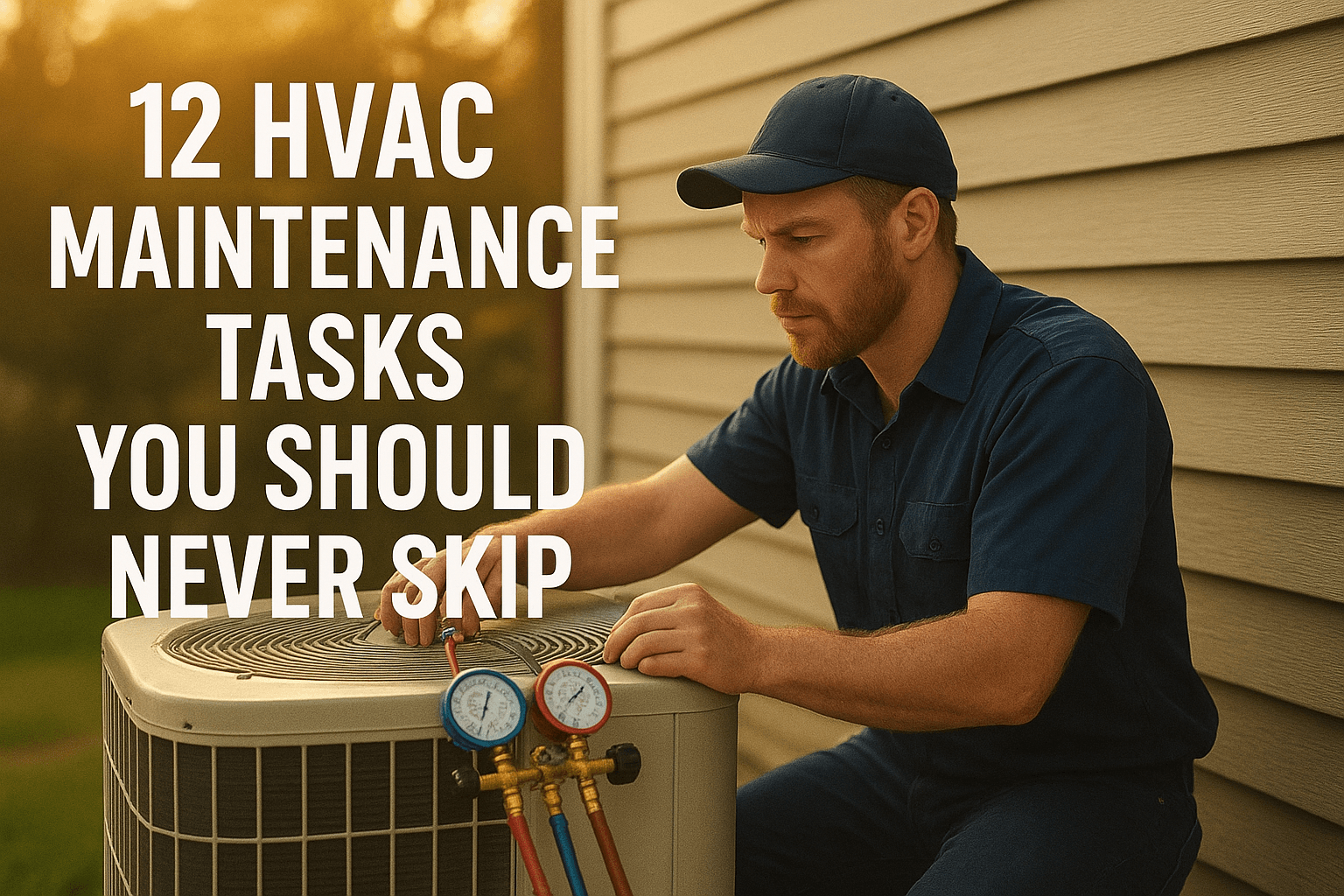
Ensuring your HVAC system operates at peak performance requires consistent and thorough HVAC maintenance. Your heating, ventilation, and air conditioning system is not just a convenience—it’s a critical component of your home or building that controls temperature, humidity, and air quality. Without proper upkeep, even a minor issue can escalate into a costly repair, reduce energy efficiency, and make indoor spaces uncomfortable.
Regular maintenance helps your system run smoothly, reduces the risk of unexpected breakdowns, and extends the lifespan of your investment. It also improves indoor air quality by preventing dust, allergens, and other contaminants from circulating throughout your home or workplace. Skipping maintenance tasks can result in higher energy bills, uneven heating or cooling, and frequent service calls.
Whether you’re a homeowner looking to protect your family’s comfort or a property manager responsible for multiple units, staying proactive with HVAC maintenance is essential. From simple DIY tasks to professional inspections, every step contributes to the longevity and efficiency of your system. In this article, we’ll break down 12 crucial HVAC maintenance tasks you should never overlook to keep your system running safely, efficiently, and reliably year-round.
1. Replace or Clean Air Filters Regularly
One of the simplest yet most crucial HVAC maintenance tasks is ensuring your air filters are clean and functioning properly. Air filters play a vital role in trapping dust, pollen, pet dander, and other airborne particles, preventing them from circulating through your home. When filters become clogged or dirty, airflow is restricted, forcing your HVAC system to work harder to maintain the desired temperature. This not only increases energy consumption but also puts unnecessary strain on components, potentially leading to premature system failure.
Depending on your system type, the level of use, and the number of occupants or pets in your home, air filters should generally be checked every month and replaced every 1–3 months. Some high-efficiency filters or reusable filters may require less frequent replacement but should still be cleaned or inspected regularly.
Neglecting air filters can result in poor indoor air quality, higher energy bills, and even health issues for residents with allergies or respiratory conditions. By making filter maintenance a routine part of your HVAC maintenance schedule, you ensure cleaner air, smoother system operation, and longer-lasting equipment.
Pro Tip: Mark your calendar or set a reminder to check your filters monthly. During peak usage seasons—summer and winter—consider checking them more frequently to maintain optimal airflow and efficiency.
Read more : Clean Filters, Cleaner Air: What Your AC Says About Indoor Health
2. Inspect and Clean Ductwork
Your HVAC system relies on a network of ducts to distribute heated or cooled air evenly throughout your home. Over time, these ducts can accumulate dust, dirt, mold, and other debris, which not only reduces system efficiency but can also negatively impact indoor air quality. Blocked or dirty ducts force your system to work harder, increasing energy consumption and potentially causing uneven heating or cooling in different areas of your home.
Regular inspection and cleaning of ductwork are essential components of comprehensive HVAC maintenance. While some debris can be removed with a vacuum or brush, it’s often best to schedule a professional cleaning every 3–5 years, or sooner if you notice signs of contamination such as dust buildup around vents, unusual odors, or visible mold. Professionals can also inspect for leaks, loose connections, or damaged sections of ducting that may be wasting energy.
Keeping your ductwork clean not only improves the efficiency of your system but also promotes healthier indoor air. This is especially important for households with children, elderly family members, or anyone with allergies or respiratory conditions. Incorporating duct inspection and cleaning into your regular HVAC maintenance routine ensures your system delivers optimal airflow, comfort, and energy savings year-round.
Pro Tip: Seal any visible gaps or leaks in your ductwork to prevent air loss, improve system efficiency, and reduce your energy bills.
3. Check Thermostat Settings
Your thermostat may seem like a small part of your HVAC system, but it plays a crucial role in regulating your home’s temperature and energy usage. Incorrect settings, malfunctioning thermostats, or outdated models can cause your system to run inefficiently, leading to higher energy bills and uneven comfort throughout your space. Regularly checking and calibrating your thermostat is an essential step in HVAC maintenance.
Start by verifying that the temperature displayed on your thermostat matches the actual room temperature. If there’s a noticeable difference, recalibrate or replace the thermostat to ensure accurate readings. For programmable or smart thermostats, make sure the scheduling aligns with your daily routines—setting the system to reduce heating or cooling when you’re away can save significant energy without sacrificing comfort.
Smart thermostats also offer features like remote control via smartphone apps, learning your preferences, and detecting when no one is home. Utilizing these functions as part of your HVAC maintenance routine can optimize system performance, improve energy efficiency, and extend the lifespan of your equipment.
Pro Tip: Test your thermostat’s responsiveness by adjusting the temperature and observing how quickly your system reacts. If your system is slow to respond, it may indicate a problem that requires professional inspection.
Read more : 10 Advantages of Smart Thermostats for Home Comfort
4. Examine and Clean Coils
The evaporator and condenser coils in your HVAC system are essential for transferring heat and keeping your home comfortable. Over time, these coils can accumulate dust, dirt, and debris, which significantly reduces their ability to absorb or release heat efficiently. Dirty coils force your system to work harder, increase energy consumption, and can even lead to component damage or system failure. Regular coil inspection and cleaning are vital steps in effective HVAC maintenance.
The evaporator coil, located inside the air handler, absorbs heat from your indoor air. If it becomes coated with dust or mold, airflow is restricted, and your cooling efficiency drops. The condenser coil, usually located in the outdoor unit, releases heat absorbed from your home. Dirt, leaves, or debris on this coil can hinder heat dissipation and strain your system.
For most homeowners, professional cleaning is recommended at least once a year, typically during pre-season maintenance. However, light cleaning of visible debris around the coils can be done safely with a soft brush or vacuum. When performing HVAC maintenance, always ensure the system is powered off before attempting any cleaning to prevent damage or injury.
Pro Tip: While cleaning coils, also inspect the fins for bends or damage. Straightening bent fins with a fin comb can improve airflow and overall system efficiency, contributing to a smoother and longer-lasting HVAC performance.
5. Inspect Electrical Connections
Electrical components are the backbone of your HVAC system, controlling everything from motors and compressors to fans and thermostats. Over time, electrical connections can become loose, corroded, or worn, increasing the risk of system malfunctions, reduced efficiency, or even hazardous situations like short circuits. Regular inspection of electrical connections is a critical part of comprehensive HVAC maintenance. Fenix Aire
During an inspection, a professional technician will check wiring, terminals, and circuit boards to ensure everything is secure and functioning properly. Tightening loose connections and replacing worn or damaged wires can prevent system failures and extend the lifespan of your equipment. Neglecting this aspect of HVAC maintenance can lead to unexpected breakdowns, costly repairs, and potential safety hazards.
Homeowners should also periodically inspect visible components for signs of wear, burning, or frayed wires, but major electrical work should always be handled by certified technicians. Ensuring your electrical system is in top condition keeps your HVAC system running smoothly, efficiently, and safely.
Pro Tip: If your system frequently trips breakers or blows fuses, it’s a sign that electrical issues may be present. Addressing these problems promptly as part of your HVAC maintenance routine can prevent serious damage and avoid interruptions in service.
6. Lubricate Moving Parts
Many components in your HVAC system, such as motors, fans, and bearings, contain moving parts that require regular lubrication to operate smoothly. Over time, friction can cause these parts to wear down faster, generate excess heat, and even lead to mechanical failure. Proper lubrication is a vital step in HVAC maintenance that ensures your system runs efficiently and quietly.
Lubricating moving parts reduces resistance, improves energy efficiency, and prevents unnecessary strain on motors and other mechanical components. Lack of lubrication can cause squeaking noises, higher energy consumption, and even complete system breakdowns. Most modern HVAC systems have sealed bearings that require little maintenance, but older systems or certain components may still need periodic oiling.
When performing HVAC maintenance, always follow the manufacturer’s guidelines for lubrication. Use only the recommended type and amount of lubricant to avoid damaging sensitive components. Regular attention to moving parts not only improves system performance but also extends the life of your equipment, helping you avoid costly repairs in the future.
Pro Tip: Schedule lubrication during your seasonal HVAC tune-ups. Even a small amount of preventive care can significantly reduce wear and tear over time.
7. Check Refrigerant Levels
The refrigerant in your HVAC system is what allows it to absorb heat from inside your home and release it outside, keeping your space cool during hot months. Low or leaking refrigerant can drastically reduce your system’s efficiency, increase energy bills, and even cause serious damage to critical components like the compressor. Checking and maintaining proper refrigerant levels is a key part of HVAC maintenance.
A professional technician should measure refrigerant levels using specialized tools to ensure they are within the manufacturer’s recommended range. If levels are low, it’s usually a sign of a leak that needs to be located and repaired. Simply adding refrigerant without fixing the leak can lead to recurring problems, system strain, and higher repair costs.
Regular refrigerant checks not only keep your HVAC system operating efficiently but also prevent environmental harm, as leaks can release harmful chemicals into the atmosphere. Incorporating refrigerant inspections into your HVAC maintenance schedule ensures optimal cooling performance and protects the longevity of your system.
Pro Tip: Signs of low refrigerant include warm air from vents, ice buildup on coils, or hissing sounds near the outdoor unit. If you notice any of these, schedule a professional inspection immediately.
8. Inspect Condensate Drain
The condensate drain in your HVAC system is responsible for removing the moisture that your air conditioner or heat pump extracts from indoor air. Over time, this drain can become clogged with algae, mold, or debris, leading to water backups, higher humidity levels, and even potential water damage in your home. Regular inspection and cleaning of the condensate drain are essential components of thorough HVAC maintenance.
A clogged drain can cause the system to shut down unexpectedly or trigger water leaks around your indoor unit. During routine HVAC maintenance, check that the drain line is clear and flowing properly. You can also flush the line with a mixture of water and a mild cleaning solution or use a wet-dry vacuum to remove blockages. media.angi
Keeping the condensate drain clean not only prevents water damage but also helps maintain proper humidity levels and improves indoor air quality. By including this simple task in your HVAC maintenance routine, you can avoid costly repairs and ensure your system runs smoothly throughout the year.
Pro Tip: Consider installing an overflow sensor near your indoor unit. This safety feature can alert you if the condensate drain becomes blocked, helping prevent water damage before it occurs.
9. Examine Belts and Pulleys
Belts and pulleys are essential components that transfer power from your HVAC system’s motors to fans and other moving parts. Over time, belts can become worn, frayed, or loose, while pulleys may become misaligned or damaged. Neglecting these components can reduce system efficiency, create unusual noises, and even lead to mechanical failure. Regular inspection of belts and pulleys is an important step in comprehensive HVAC maintenance.
During routine HVAC maintenance, visually inspect belts for signs of cracking, glazing, or stretching, and check pulleys for alignment and secure attachment. If you notice any wear or damage, replace the belt immediately to avoid breakdowns. Proper tension is also critical; belts that are too tight can put unnecessary strain on motors, while loose belts can slip and reduce efficiency.
Maintaining belts and pulleys not only keeps your system running quietly and efficiently but also helps extend the life of other components by preventing excess strain. This preventive measure is a simple yet effective part of keeping your HVAC system in top condition.
Pro Tip: Listen for squealing or grinding noises when your system starts up—these are often early warning signs that belts or pulleys need attention. Addressing issues promptly as part of your HVAC maintenance routine can prevent costly repairs later.
10. Test System Controls
System controls are the brain of your HVAC system, managing how it starts, operates, and shuts down. Faulty or untested controls can cause your system to cycle improperly, run inefficiently, or even fail completely. Regularly testing system controls is a critical part of HVAC maintenance that ensures your system operates safely and reliably. Velappity
During a control check, a technician will examine the startup sequence, operation, and shutdown of your HVAC system. This includes verifying that the thermostat communicates correctly with the system, relays and contactors function properly, and safety switches are responsive. Any irregularities, such as delayed startups or unexpected shutdowns, can indicate underlying issues that need prompt attention.
Testing your system controls not only prevents breakdowns but also enhances energy efficiency by ensuring the system runs only when needed. Incorporating control checks into your HVAC maintenance routine helps avoid costly repairs, extends equipment life, and maintains consistent comfort throughout your home.
Pro Tip: Perform a basic control test at the start of each season by adjusting your thermostat and observing how the system responds. If the response is slow or inconsistent, schedule a professional inspection to troubleshoot potential issues.
11. Clean and Inspect the Outdoor Unit
The outdoor unit, also known as the condenser unit, is a critical part of your HVAC system. It releases heat absorbed from inside your home and ensures efficient cooling. Over time, leaves, dirt, and debris can accumulate around and inside the unit, reducing airflow and forcing the system to work harder. Regular cleaning and inspection of the outdoor unit are essential steps in thorough HVAC maintenance.
Start by clearing any leaves, grass clippings, or debris from around the unit, ensuring at least two feet of clearance on all sides for proper airflow. Inspect the fins and coils for dirt buildup or damage. Gently clean the coils with a soft brush or hose, taking care not to bend the delicate fins. Professional technicians can also check for refrigerant leaks, inspect the fan motor, and ensure the unit is level and securely positioned.
Routine care of the outdoor unit improves efficiency, prevents costly breakdowns, and extends the lifespan of your system. Keeping it clean and unobstructed also ensures your HVAC system can maintain optimal indoor comfort without overworking components.
Pro Tip: Trim nearby vegetation regularly and avoid placing items like furniture, planters, or toys near the unit to maintain airflow and prevent damage. Regular inspection during seasonal maintenance ensures your outdoor unit stays in peak condition.
12. Schedule Professional Inspections
Even with diligent DIY maintenance, nothing replaces the expertise of a certified HVAC technician. Professional inspections are a critical part of HVAC maintenance, helping identify potential issues before they become costly repairs and ensuring your system operates at peak efficiency year-round.
During a professional inspection, technicians examine all major components, including coils, motors, electrical connections, refrigerant levels, belts, pulleys, and the condensate drain. They can detect early signs of wear, leaks, or mechanical problems that may not be visible during routine homeowner checks. Additionally, professionals can provide deep cleaning, calibration, and testing that goes beyond basic DIY maintenance.
Scheduling annual or biannual inspections—typically before peak heating or cooling seasons—helps prevent unexpected breakdowns and prolongs the life of your HVAC system. Regular professional attention also ensures energy efficiency, reduces the likelihood of emergency repairs, and maintains consistent comfort throughout your home or building.
Pro Tip: Keep a record of all professional inspections and maintenance tasks. This documentation can help identify recurring issues, improve warranty claims, and provide a clear maintenance history if you ever sell your home.
Conclusion
Maintaining your HVAC system is more than just a seasonal chore—it’s an essential investment in your comfort, energy efficiency, and the longevity of your equipment. By consistently performing these 12 crucial HVAC maintenance tasks, you can prevent costly repairs, avoid unexpected breakdowns, and ensure your home or building remains comfortable year-round.
From regularly replacing air filters and cleaning ducts to inspecting electrical connections and scheduling professional inspections, each task plays a vital role in keeping your system running smoothly. Neglecting even one aspect of HVAC maintenance can lead to inefficiencies, higher energy bills, and potential safety hazards.
Proactive care not only improves system performance but also enhances indoor air quality, reduces wear and tear on components, and extends the lifespan of your HVAC system. Whether you handle simple tasks yourself or enlist professional help for more complex maintenance, staying consistent is key.
Investing time in proper HVAC maintenance ultimately saves money, prevents stress, and ensures your home or business remains a comfortable and healthy environment throughout the year. Remember: a well-maintained HVAC system is a reliable system.
